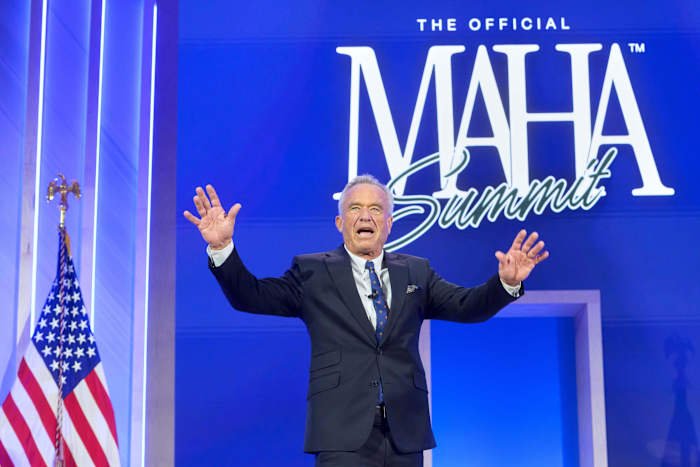
Orlando, FL — The landscape of American health policy has undergone tremendous upheaval in the past year, with significant reforms taking root under the leadership of President Donald Trump and Health and Human Services Secretary Robert F. Kennedy Jr. As these sweeping changes ripple across the nation, their effects are being felt right here in Central Florida. From public health initiatives to insurance regulations, Orlando residents and health providers are adjusting to a dramatically reshaped healthcare environment.
The Power Duo: Trump’s Second Term and RFK Jr.’s Influence
When President Trump appointed Robert F. Kennedy Jr. to lead the Department of Health and Human Services (HHS), many experts anticipated disruption. Kennedy, a well-known environmental lawyer and health policy advocate, has long been a controversial figure, particularly for his views on vaccine safety. Under the Trump-Kennedy leadership, HHS has shifted focus toward deregulation, transparency, and a major overhaul of public health priorities.
For Orlando, these changes have meant both opportunities and challenges. The city’s growing population and thriving tourism industry rely heavily on a robust healthcare system. With new federal priorities, local leaders and medical providers have had to pivot to keep up with policy shifts that affect everything from hospital funding to preventive care programs.
Rewriting Vaccine Policy: New Approaches and Local Impact
Perhaps the most headline-grabbing change has been the administration’s overhaul of federal vaccine policy. RFK Jr. has pushed for more stringent safety reviews and an expansion of vaccine choice, leading to a surge in state-level debates over immunization mandates and parental rights.
In Florida, Governor Ron DeSantis has echoed some of these sentiments, increasing the visibility of personal choice in vaccine uptake. For Orlando’s families and schools, this has meant a patchwork of vaccination rates and increased community dialogue about public health. Local pediatricians have reported a rise in vaccine hesitancy, while public health officials work to combat misinformation and protect vulnerable populations—especially with Orlando’s frequent influx of national and international visitors.
Insurance Market Shake-Ups: What It Means for Central Florida
Another major change has come in the form of health insurance reform. The Trump administration’s push to loosen Affordable Care Act (ACA) regulations and promote alternative insurance models like short-term plans has created a more complex marketplace.
For Orlando residents, these policy shifts can be a double-edged sword. Some consumers have welcomed less expensive, more flexible insurance options. Others, especially those with pre-existing conditions or chronic illnesses, worry about the return of coverage gaps and higher out-of-pocket costs. Orlando’s large population of service workers and gig economy participants are especially vulnerable, given the city’s reliance on tourism and hospitality jobs that often lack employer-sponsored health benefits.
Funding Shifts for Hospitals and Community Health Centers
Federal funding priorities have also changed under the Trump-Kennedy administration. There’s been a pivot away from broad-based public health funding toward more targeted, state-directed grants. This has affected how hospitals and community health centers in Orlando access resources for preventive care, addiction treatment, and maternal health programs.
Orlando Health and AdventHealth, two of the region’s largest medical networks, have reported both opportunities and frustrations. On one hand, more local control has allowed innovative pilot programs tailored to the city’s unique demographics. On the other, inconsistent or reduced federal funding has forced difficult choices about which community programs to support. Safety-net clinics, which serve uninsured and low-income residents, are feeling the pinch the most, as they scramble to maintain vital services.
Public Health in the Spotlight: Pandemics, Preparedness, and Prevention
The past year’s changes have also put a renewed emphasis on pandemic preparedness and public health infrastructure. The Trump administration has championed increased transparency in disease reporting and leaned into partnerships with private industry for vaccine and treatment development.
For Orlando, still recovering from the lessons of COVID-19, these changes have had mixed results. On one hand, local public health departments have more flexibility to respond to emerging threats. On the other, concerns linger about the politicization of health guidance and the adequacy of federal coordination during crises—especially important with Orlando’s status as a global travel hub.
Looking Ahead: Orlando’s Role in a New Health Policy Era
As RFK Jr. and President Trump continue to reshape US health policy, Orlando’s leaders, residents, and healthcare workers are adapting to the new reality. The city’s diverse population and economic mix make it a microcosm of the nation’s health challenges and opportunities. Whether it’s navigating vaccine policy debates, insurance changes, or shifting federal funding, the lessons learned here could inform decisions across Florida and the country.
What do you think about the latest changes to US health policy and their impact on Orlando? Have you or your family experienced any effects from new insurance rules, hospital programs, or vaccine guidelines? Share your thoughts below in the comments—your voice matters in this ongoing conversation about the future of health care in Central Florida.