Introduction
Central Florida’s citrus industry, a cornerstone of the Orlando region’s agricultural identity, is facing a major challenge after several days of unusually harsh winter weather. At the renowned Showcase of Citrus in Clermont, a haunting vision of ice-laden trees has left growers and locals alike deeply unsettled. With heavy winds and repeated freeze-thaw cycles, this winter event brought conditions rarely seen in the area, raising concerns for the future of the region’s iconic oranges and grapefruits. As Orlando families depend on local produce and the agricultural sector supports many jobs, the impact of this freeze extends far beyond the groves themselves. Here’s how the recent cold snap is affecting Central Florida citrus growers and what it means for Orlando residents.
Unprecedented Weather Hits Citrus Groves
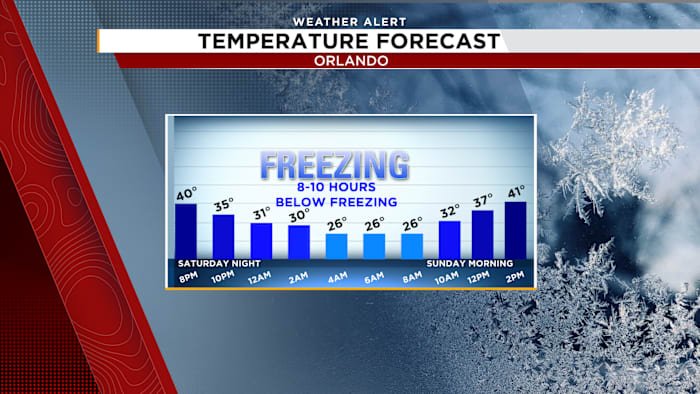
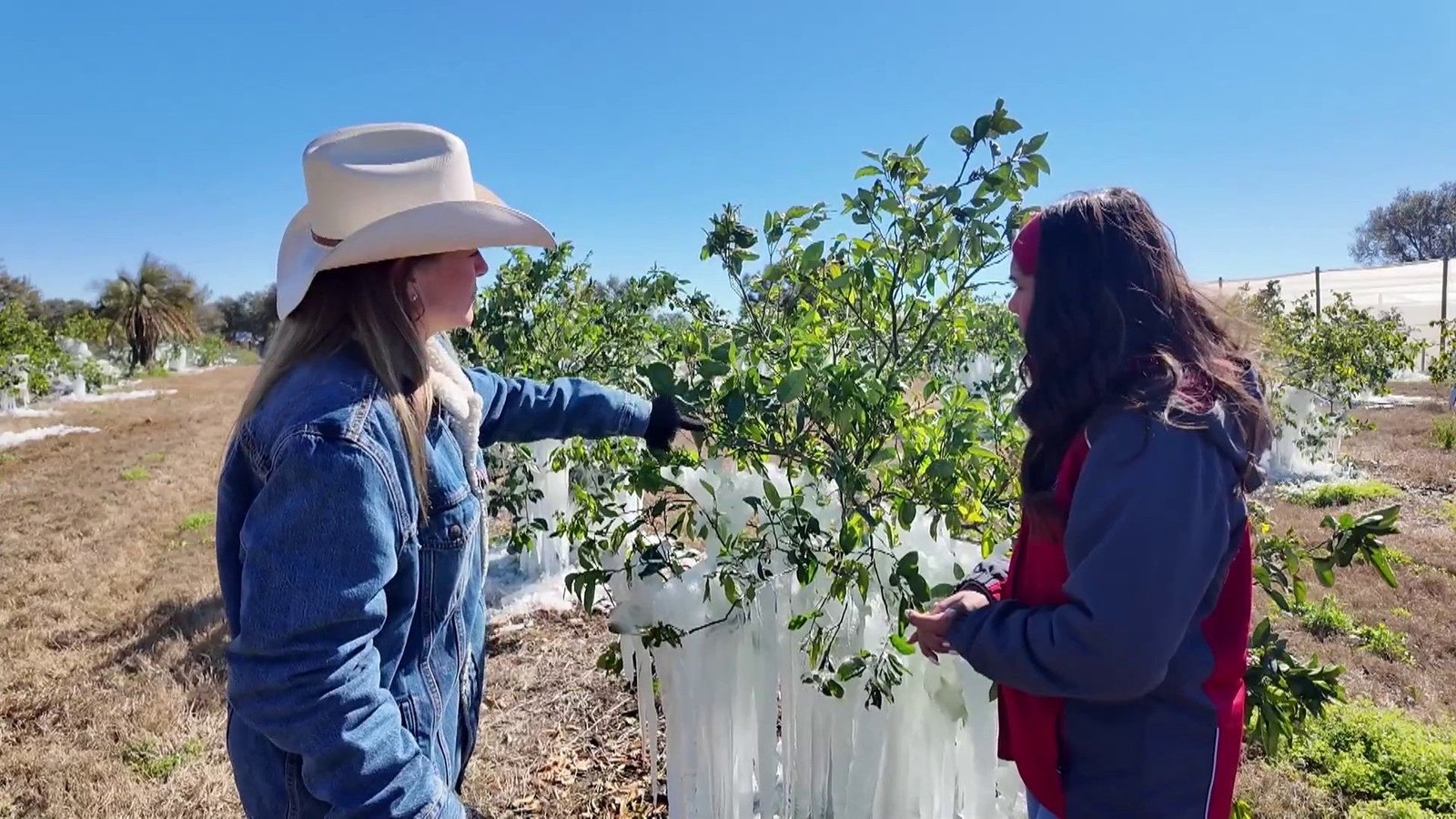
The recent freeze event was not just a typical cold front. Temperatures in Central Florida plunged below freezing for multiple nights, a rare occurrence for the region, especially in late winter. What made this event particularly devastating was the combination of biting winds with cycles of freezing and thawing. In Clermont, at the Showcase of Citrus, growers reported seeing solid sheets of ice coating the leaves and branches—a rare and distressing sight.
“We can only control so much,” said one local grower, echoing the sentiment of many in the region. While Florida farmers are accustomed to preparing for cold snaps, the severity and duration of this freeze, paired with strong winds, created new challenges. The fluctuating temperatures caused ice to form, melt, and refreeze, which can damage delicate citrus blossoms and fruit. For an area that typically enjoys mild winters, such conditions are almost unprecedented and have growers scrambling to assess the long-term impact.
Impact on Citrus Yields and Orlando’s Economy
The freeze threatens to reduce this year’s citrus yield, with potential consequences that ripple through Orlando’s economy. Citrus farming is a major employer in Central Florida, supporting jobs not just in agriculture but also in transportation, processing, and tourism. Orlando’s farmers markets, local restaurants, and grocery stores rely heavily on fresh, local citrus. A significant loss in crop could mean higher prices and less availability for residents.
Beyond the direct economic impact, the freeze also affects Orlando’s tourism sector. Attractions like the Showcase of Citrus offer “pick-your-own” experiences and educational farm tours, drawing visitors from across the state and beyond. Damaged groves could mean fewer opportunities for these popular activities, impacting both growers and local tourism businesses.
What Farmers Are Doing to Cope
Citrus growers in Central Florida are no strangers to adversity, but this freeze has forced them to employ every trick in their playbook—and then some. Many turned to traditional methods such as irrigating groves overnight, which coats trees in a protective layer of ice that can actually prevent deeper freeze damage. Others deployed large fans to circulate warmer air and minimize ice buildup on the trees.
Despite their best efforts, growers admit that some damage is inevitable. The cycle of freezing and thawing can cause ice to crack branches and kill developing blossoms, which reduces future fruit production. Farmers are now walking their groves daily, carefully assessing which trees and fruit have survived and which will need extra care—or removal. Local agricultural extension agents are also working overtime, providing advice and support as the community rallies to recover.
Long-Term Outlook: Climate Uncertainty and Adaptation
This event has reignited conversations among growers, scientists, and local leaders in the Orlando area about the unpredictability of weather patterns and the future of Florida’s citrus industry. With climate change bringing more erratic weather, including both freezes and heat waves, farmers are being forced to consider new strategies for adaptation. Some are exploring cold-hardy citrus varieties, while others are investing in new technologies like frost sensors and automated irrigation systems.
Orlando’s agricultural community is resilient, but the message is clear: more investment in research, infrastructure, and disaster preparedness will be needed to safeguard the region’s citrus heritage. The freeze serves as a stark reminder that while farmers can prepare for many challenges, some elements remain beyond their control.
Conclusion
The recent freeze in Central Florida has been a sobering experience for citrus growers, Orlando residents, and the wider community. As the full extent of the damage becomes clear, the focus is shifting from immediate response to long-term recovery and adaptation. The future of local citrus may depend on both the resilience of the growers and the support of the community. Have you noticed changes in your local markets or groves? Are you concerned about the future of Central Florida’s citrus industry? Share your thoughts and experiences in the comments below—we want to hear from you!