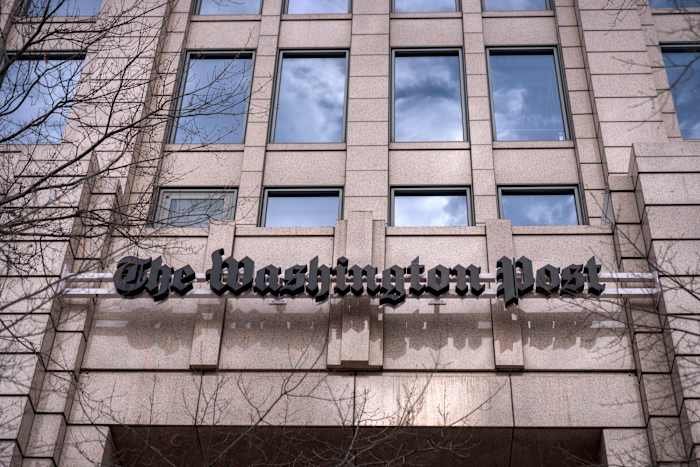
Daily Orlando News – In a shocking move that is sending ripples through the national media landscape, The Washington Post has announced that it will lay off one-third of its staff across all departments. This sweeping decision, affecting not just the newsroom but also business and support roles, has implications far beyond the nation’s capital. As Orlando continues to grow as a hub for media and journalism, such drastic changes at a major news institution raise important questions about the future of local and national news. Below, we break down what’s happening, why it matters, and what it could mean for Orlando and beyond.
The Washington Post Layoffs: What Happened?
On Monday, The Washington Post revealed plans to reduce its workforce by around 33%, impacting employees in editorial, advertising, technology, and other departments. The announcement comes as part of a broader restructuring effort aimed at reorienting the company to meet the challenges of an evolving media landscape.
The layoffs are not limited to journalists or newsroom staff. Employees from every corner of the organization, including those in marketing, sales, and operations, are facing job cuts. This decision follows declining subscription revenues and advertising income, challenges faced by many legacy media outlets in recent years.
Leadership at The Washington Post cited the need to invest in new digital products and adapt to changing reader habits. Still, the abruptness and scale of the layoffs have left many in the industry—and among the public—concerned about the future of quality journalism.
Why Are Major Newspapers Cutting Staff?
Like many newspapers nationwide, The Washington Post has struggled to adapt its business model to the digital era. As print circulation drops and online advertising becomes more competitive, even renowned publications are forced to make tough financial decisions.
- Declining Ad Revenues: With advertisers shifting to social media and search engines, newspapers are earning less from traditional and digital ads.
- Changing Reader Habits: More people are turning to free news sources or social media for updates, making it harder for outlets to attract paying subscribers.
- Rising Costs: As the cost of technology and talent rises, maintaining large newsrooms has become increasingly difficult.
These challenges are not unique to The Washington Post, but the scale of its layoffs underscores the depth of the crisis facing the journalism industry.
Impact on Orlando’s Media Landscape
While The Washington Post is based in Washington, D.C., the effects of its layoffs will be felt well beyond its headquarters. Orlando’s media professionals often look to national outlets for job opportunities, partnerships, and guidance on industry standards.
- Job Market Ripple Effect: With hundreds of experienced journalists and media professionals now seeking work, competition for positions—even at local outlets like those in Orlando—will likely intensify.
- Collaboration and Syndication: Orlando newsrooms frequently rely on national stories and resources from organizations like The Washington Post. Fewer staff at the Post could mean fewer resources and less syndication support for local news teams.
- Training and Mentorship: Many Orlando journalists have benefited from mentorship or training programs conducted by The Washington Post. These opportunities may be reduced as the Post downsizes.
For Orlando readers, this could eventually mean less comprehensive national coverage from local news outlets and fewer opportunities for local stories to gain national attention.
The Future of Journalism: What’s Next?
The Washington Post’s decision highlights the urgent need for innovation in journalism. As traditional revenue streams dry up, media companies are experimenting with new models—ranging from nonprofit newsrooms to reader-supported platforms and digital-only publications.
- Digital Transformation: News outlets are investing more in digital products, podcasts, video content, and interactive storytelling to engage younger audiences.
- Local News Investment: Some experts argue that the future of journalism lies in strengthening local newsrooms, which are often more trusted by their communities.
- Community Support: With national layoffs making headlines, readers are encouraged to support local journalism by subscribing, sharing stories, and engaging with their favorite outlets.
For Orlando, this means both a challenge and an opportunity. As national newsrooms shrink, the role of local journalists becomes even more important in keeping the community informed and connected.
How Can Orlando Residents Support Local News?
In times of industry upheaval, community support is more crucial than ever. Here are some ways Orlando residents can help sustain local journalism:
- Subscribe to your favorite Orlando news outlets, including Daily Orlando News.
- Share stories on social media to help reach a wider audience.
- Engage with reporters and editors by providing feedback, tips, and story ideas.
- Attend local news events or forums to stay informed and show support.
Your involvement helps ensure that Orlando’s stories continue to be told, even as the national media landscape undergoes dramatic change.