Introduction
Millions of Americans, including many right here in Orlando, are turning to wearable devices and smartphone apps to monitor their nightly rest. From smartwatches to dedicated sleep trackers, these gadgets promise to unveil the mysteries of our sleep cycles, help us wake up refreshed, and even flag potential health issues. But as these devices become more popular in Central Florida, sleep experts are sounding the alarm: sleep-tracking technology has its limits, and relying too heavily on your device might do more harm than good.
In this article, we’ll break down what sleep trackers can and can’t tell you, examine the science behind their claims, explore the psychological impact of obsessing over sleep data, and share expert tips for Orlando residents who want to use this technology wisely.
1. How Sleep Trackers Work (and Where They Fall Short)
Sleep trackers, whether worn on your wrist or tucked under your pillow, use a combination of sensors—such as accelerometers, heart rate monitors, and sometimes microphones—to infer when you’re asleep and what stage of sleep you’re in. The most popular devices, like the Apple Watch, Fitbit, and Oura Ring, analyze your movement and body signals overnight to estimate time spent in light, deep, and REM sleep.
However, experts caution that these devices are not medical-grade. Dr. Lisa Rodriguez, a sleep specialist at AdventHealth Orlando, explains: “They can tell you roughly when you’re still or moving, but they can’t directly measure brain waves like a professional sleep study.” This means their assessment of sleep stages is just an educated guess, and their accuracy varies widely between brands and users. For Orlandoans with sleep disorders, such as sleep apnea or insomnia, trackers might miss important health cues that only a clinic-based study can detect.
2. The Psychology of “Perfect” Sleep: Why Data Isn’t Everything
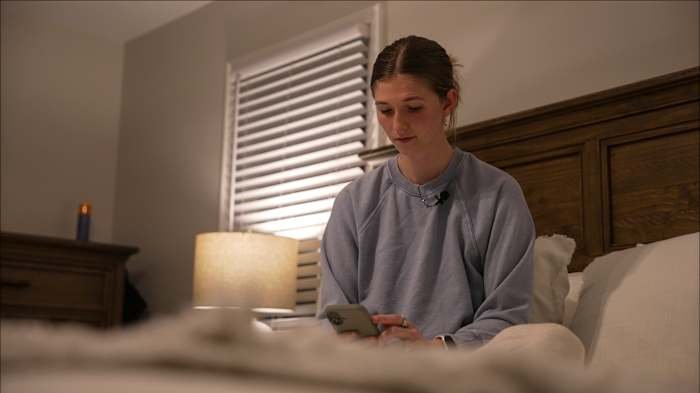
At first, tracking your sleep can feel empowering. But as anyone who’s ever stared at a red “sleep score” on their app knows, it can also fuel anxiety. Psychologists call this phenomenon “orthosomnia”—the obsession with achieving perfect sleep metrics. Studies show that this anxiety can actually make sleep worse, leading to a vicious cycle of poor rest and negative feedback from your device.
In Orlando’s fast-paced environment—where hospitality, healthcare, and tourism workers often face irregular hours—this kind of sleep anxiety is on the rise. Dr. Megan Chen, a psychologist in Winter Park, notes, “I see more clients whose stress over their sleep data keeps them up at night. They’re chasing numbers instead of focusing on how rested they actually feel.”
3. When to Trust Your Tracker—And When to Seek Help
So, should Orlando residents ditch their sleep trackers altogether? Not necessarily. These devices can be helpful for spotting general trends, like consistently getting less sleep on work nights or waking up more often after late-night caffeine. But if your tracker flags something concerning—such as very low sleep efficiency, frequent awakenings, or irregular heart rates—it’s important not to self-diagnose.
Instead, bring this data to a local healthcare provider. Orlando has several sleep centers, including those at Orlando Health and the VA Medical Center, where professionals can conduct thorough evaluations. Remember, no wearable can replace a full polysomnography (sleep study) if you suspect a serious issue like sleep apnea, restless leg syndrome, or chronic insomnia.
4. Making the Most of Sleep Tech: Tips for Orlando Users
- Focus on trends, not numbers: Your goal should be to notice patterns over weeks, not obsess over a single night’s score.
- Prioritize sleep hygiene: Trackers can’t replace good habits. Stick to a regular bedtime, avoid screens before bed, and create a cool, dark sleep environment—especially important in Orlando’s warm and bustling neighborhoods.
- Use data as a conversation starter: If you’re concerned about your sleep, share your tracker results with a doctor rather than using them for self-diagnosis.
- Know your device’s limitations: Most consumer trackers can’t diagnose medical conditions or fully distinguish between sleep stages. Take their results with a grain of salt.
- Stay active during the day: Orlando’s many parks and recreational facilities offer plenty of ways to stay healthy, which can improve your sleep naturally—no device required!
Conclusion
Sleep-tracking devices are everywhere in Orlando—from college students at UCF to shift workers on International Drive. While these gadgets offer valuable insights, it’s crucial to understand their limitations and avoid letting the data control your life. Remember, the best measure of a good night’s sleep is how you feel the next day—not just a number on your wrist.
Have you used a sleep tracker in Orlando? Did it help you rest better, or add to your worries? Share your experiences and tips in the comments below—we’d love to hear from our Daily Orlando News readers!