Air pollution is a global issue, but few places face challenges as severe as India. With millions at risk, the country’s air-quality crisis has made headlines around the world. Yet, a less discussed but equally troubling aspect is the unreliability of the data tracking this crisis. For readers in Orlando, understanding how unreliable data can hinder efforts to tackle air pollution has important lessons—both for our own community and for international cooperation. In this article, we’ll explore the scope of India’s air-quality crisis, how unreliable data worsens the situation, and what this means for public health and policy, including some local takeaways for Orlando residents.
The Scale of India’s Air Pollution Crisis
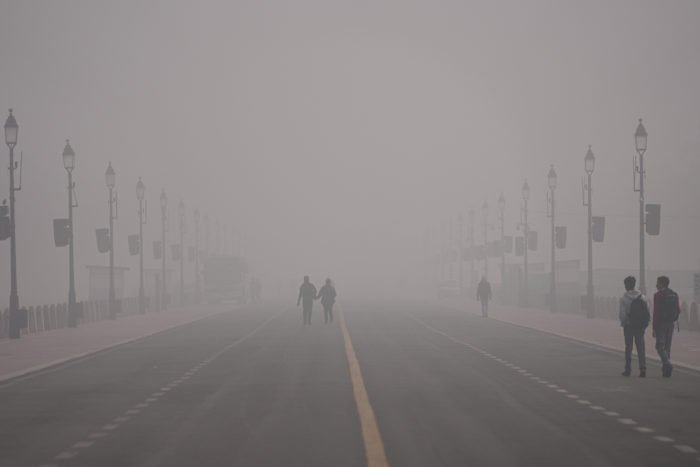
India is home to several of the world’s most polluted cities. Every winter, a thick smog blankets cities like Delhi, Lucknow, and Kolkata, leading to respiratory illnesses, school closures, and even flight cancellations. More than 1.7 million deaths in India are attributed to air pollution each year, according to the Lancet. Particulate matter (PM2.5), nitrogen dioxide, and other hazardous pollutants regularly exceed safe limits set by the World Health Organization (WHO).
Unlike Orlando, where air quality monitoring is more consistent and publicly accessible, India’s monitoring network is patchy and unreliable. This makes it difficult for citizens and policymakers to grasp the true extent of the crisis and implement effective solutions.
Unreliable Data: The Hidden Threat
Much of the air quality data in India comes from government-run monitoring stations, but these are often sparsely distributed and poorly maintained. In some regions, sensors are switched off during periods of heavy pollution to avoid negative publicity, or data is simply not collected at all. A 2023 investigation by Reuters found significant gaps and inconsistencies in India’s air quality reporting.
This unreliable data has serious consequences. Without accurate information, it is impossible to issue timely health advisories, enforce regulations, or hold polluters accountable. For Orlando, where agencies like the EPA and Florida Department of Environmental Protection maintain high standards for data collection, India’s experience serves as a cautionary tale about the importance of transparency and accuracy in environmental monitoring.
Impact on Public Health and Policy
Air pollution in India is linked to a wide range of health problems, including asthma, heart disease, and premature death. But when data is unreliable, it becomes much harder for doctors to advise patients, for schools to protect students, and for governments to allocate resources where they’re needed most.
Policy interventions—such as restricting vehicle traffic, closing factories, or banning certain fuels—are only effective if they’re based on solid evidence. In India, the lack of reliable data means that such measures are often reactive rather than proactive, and sometimes miss the hardest-hit communities altogether.
Orlando’s air quality, while generally good, still faces periodic challenges from wildfire smoke, vehicle emissions, and construction dust. Our local agencies rely on accurate data to issue warnings and guide policy. India’s crisis underscores the vital role that trustworthy data plays in protecting public health everywhere.
International Implications and Local Connections
Air pollution is not confined by national borders. Pollutants released in one country can travel across continents, affecting air quality thousands of miles away. For Orlando residents, this means that air pollution in places like India can, under certain circumstances, influence global atmospheric conditions, contributing to climate change and even impacting air quality in the U.S.
Furthermore, Orlando is home to a vibrant Indian diaspora and many international students and visitors. Concerns about air quality back home are a frequent topic of conversation in our community. By understanding the challenges India faces, including the issue of unreliable data, we foster greater empathy and awareness—and can advocate for more robust environmental policies both locally and globally.
Solutions: The Path Forward
Experts agree that improving data reliability is key to tackling India’s air-quality crisis. This means investing in more monitoring stations, adopting transparent reporting standards, and encouraging independent audits. Technology can play a role too, with low-cost sensors and satellite data offering new ways to monitor pollution.
Orlando can learn from India’s experience by supporting robust environmental monitoring and advocating for international data-sharing initiatives. As citizens, we can stay informed about air quality, support clean energy policies, and participate in local decision-making. Every step toward better air quality starts with better information.
Conclusion
India’s air-quality crisis is a stark reminder that unreliable data can mask the true scale of environmental threats. For Orlando, the lesson is clear: accurate, transparent data is essential for protecting public health and guiding policy. As we work to keep our own air clean, let’s stay connected to global challenges and advocate for reliable data everywhere.
What are your thoughts on air quality monitoring, both in India and here in Orlando? Have you experienced the effects of poor air quality firsthand? Leave a comment below and join the conversation!