Introduction
In a recent statement that is resonating far beyond the Middle East, Turkey’s pro-Kurdish political party has sounded the alarm about increasing violence against Kurdish groups in neighboring Syria. The party warns that these escalations could seriously undermine ongoing peace and reconciliation efforts between the Turkish government and Kurdish militants within Turkey’s own borders. While this situation may seem distant, it has meaningful implications for communities around the globe—including right here in Orlando, where many residents have family ties or personal connections to the region. In this article, we’ll break down the key issues, the historical context, and why this matters to Orlando’s diverse population.
The Background: Turkish-Kurdish Relations and Syria’s Conflict
To understand the current tensions, it’s important to know a bit about the longstanding conflict between Turkey and its Kurdish population. The Kurdish issue is one of Turkey’s most pressing political challenges. For decades, the Turkish government has faced demands for increased rights and autonomy from its Kurdish minority, and clashes with Kurdish militants—in particular, the Kurdistan Workers’ Party (PKK)—have led to decades of violence and unrest.
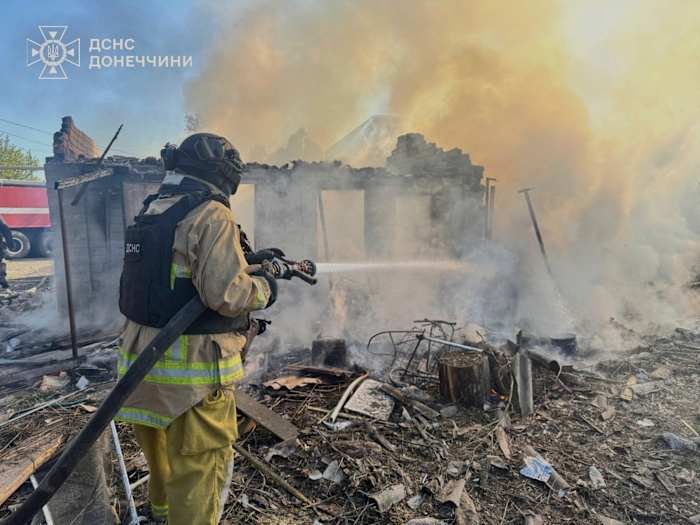
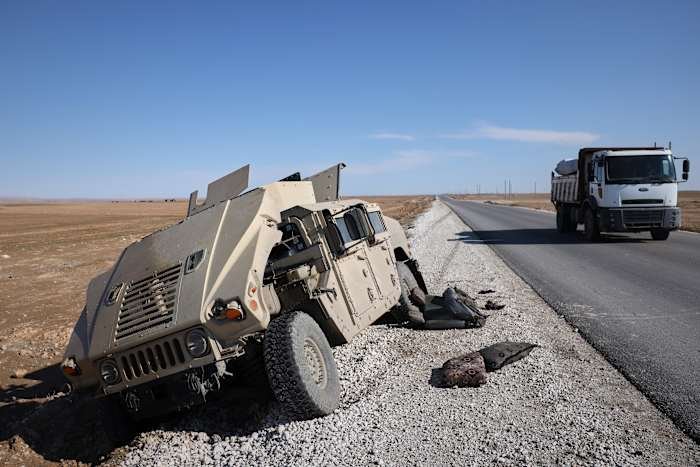
In neighboring Syria, the situation is even more complex. Since the outbreak of the Syrian Civil War in 2011, Kurdish groups in northern Syria, notably the Syrian Democratic Forces (SDF) and the People’s Protection Units (YPG), have established semi-autonomous regions. Turkey views some of these groups as extensions of the PKK, which it considers a terrorist organization. This has led to repeated Turkish military operations in northern Syria, often resulting in civilian casualties and displacement.
Pro-Kurdish Party’s Warning: A Threat to Reconciliation
Amid renewed military action and reports of violence against Kurdish groups in Syria, Turkey’s pro-Kurdish political party (commonly represented by the Peoples’ Democratic Party, or HDP) has issued a stark warning. The party argues that Turkish involvement and escalation of violence in Syria risk derailing tentative peace efforts at home.
Reconciliation between the Turkish state and its Kurdish population is a delicate process. Previous peace talks have faltered, but there is an ongoing push—supported by both civil society and some political factions—to restart dialogue and reduce tensions. The HDP claims that aggressive policies in Syria only fuel resentment and mistrust among Kurds in Turkey, making it harder to rebuild relationships and work toward a peaceful resolution. This warning is particularly important, as any setback in Turkish-Kurdish relations has the potential to ripple through the region, affecting refugee flows, security, and international diplomacy.
International Reactions and the U.S. Perspective
The situation has drawn international attention, especially from allies such as the United States. The U.S. military has partnered with Kurdish-led forces in Syria in the fight against ISIS, creating a complicated web of alliances and rivalries. Washington has often called for restraint and dialogue between Turkey and its Kurdish population, fearing that instability could undermine the broader fight against extremism in the region.
For communities in Orlando, which is home to a growing number of immigrants and refugees from Turkey, Syria, and the broader Middle East, these international dynamics are not just headlines—they’re deeply personal. Many local families are closely following the developments, worrying about loved ones caught in the crossfire or hoping for a return to peace that would allow for reunification and stability.
What This Means for Orlando
Orlando’s diverse population includes a vibrant Middle Eastern community, with Kurds, Turks, Syrians, and others all contributing to the city’s cultural fabric. When violence flares up abroad, it can have real consequences here at home—fueling anxiety, sparking protests, or leading to increased demand for mental health and refugee support services.
Local organizations such as the Refugee Center of Central Florida and area mosques and churches have already reported an uptick in calls and visits from families concerned about relatives overseas. Community leaders are urging Orlando residents to stay informed, support affected neighbors, and advocate for peaceful solutions.
Furthermore, the situation can affect Orlando’s local economy, especially for businesses owned by immigrants or those engaged in international trade. Travel plans, remittances, and even student exchanges can all be disrupted by instability abroad.
Looking Ahead: The Importance of Dialogue and Solidarity
As Turkey’s pro-Kurdish party continues to urge caution and dialogue, it’s clear that the path to peace is fraught with challenges. Yet, the voices advocating for reconciliation and nonviolence are crucial—not only for Turkey and Syria, but for communities like Orlando that feel the impact of international events in profound ways.
Orlando’s response so far has been one of compassion and unity, with local leaders and organizations stepping up to provide support and spread awareness. This moment offers an opportunity for residents to deepen their understanding of global issues, build bridges across cultures, and stand in solidarity with those affected by conflict.
Conclusion: Share Your Thoughts
As developments continue to unfold, the situation between Turkey, its Kurdish population, and neighboring Syria remains one to watch. How do you think Orlando should respond to global events like these? Do you have a personal connection to the region, or thoughts on how our city can support peace and reconciliation? We invite you to share your perspectives in the comments below and join the conversation happening right here in Central