By Daily Orlando News Staff
The Centers for Disease Control and Prevention (CDC) has released two significant studies demonstrating the power of wastewater surveillance in tracking the spread of diseases like measles. As lawmakers debate the future of funding for these programs, Orlando and other communities nationwide could soon face critical decisions about public health monitoring. With wastewater data offering a crucial early warning system against outbreaks, the potential for funding cuts raises important questions for our city’s future safety and preparedness.
What Is Wastewater Surveillance and Why Does It Matter?
Wastewater surveillance is a method of monitoring public health by analyzing sewage samples for the presence of disease-causing pathogens. This technique has grown in popularity over the past few years, especially during the COVID-19 pandemic, when it was used to track the spread of the virus in real time.
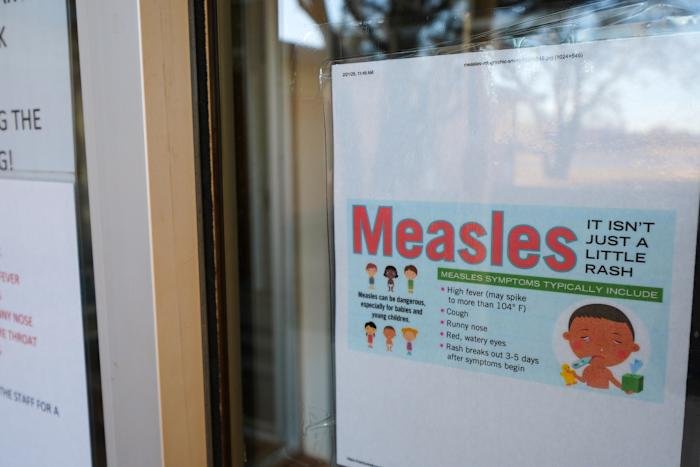
Unlike traditional methods, which rely on reported cases or clinical testing, wastewater monitoring captures data from entire communities, including people who may be asymptomatic or do not seek medical care. According to the CDC’s new studies, measuring the levels of measles RNA in wastewater samples can detect the presence of the virus days to weeks before cases are even reported by healthcare providers.
For a growing and diverse city like Orlando, where residents and tourists from around the globe come together, the ability to monitor disease spread at a population level is particularly valuable. Early detection means local health officials can act quickly—informing the public, increasing vaccination efforts, and controlling outbreaks before they escalate.
CDC Findings: Measles Detection and Early Warnings
The two recent CDC studies focused on the role of wastewater surveillance in detecting measles outbreaks. Researchers found that in communities where measles cases later emerged, the virus’s genetic material was present in wastewater well before those cases were formally diagnosed. In some instances, this warning came up to two weeks in advance.
This early insight is a game-changer for public health. Measles is highly contagious, and timely interventions—such as targeted immunization campaigns and public advisories—can make the difference between a contained outbreak and a wider public health emergency.
In Florida, we’ve seen how quickly diseases can spread, especially during peak travel seasons in Orlando. With millions of visitors passing through local airports and theme parks, our city is uniquely vulnerable to the introduction and rapid transmission of infectious diseases. Wastewater surveillance gives Orlando’s health officials a critical tool to stay ahead of potential outbreaks, protecting both residents and visitors alike.
Funding at Risk: What’s at Stake for Orlando?
Despite these promising results, the future of wastewater surveillance programs is uncertain. Federal funding, which has supported much of this work, is currently under review. Without continued investment, the progress made in disease detection and prevention could be in jeopardy.
For Orlando, this raises serious concerns. The city has been a beneficiary of the National Wastewater Surveillance System (NWSS), which helps track not only measles but also COVID-19, polio, and other pathogens. Local health departments rely on this data for decision-making and to keep the public informed.
If funding is cut, Orlando could lose access to timely, community-wide health data. This would mean slower responses to outbreaks, increased risk for vulnerable populations, and potentially greater strain on hospitals and healthcare providers. The city’s reputation as a safe and healthy destination for families and tourists could also be impacted if public health emergencies go undetected or unchecked.
Orlando’s Role and Community Response
Local officials, healthcare providers, and residents can all play a part in advocating for the continuation of wastewater surveillance. By raising awareness of the benefits highlighted by the CDC’s latest studies, Orlando’s community can help ensure that these programs remain a priority at both the state and federal level.
Residents can also take proactive steps by staying informed about disease outbreaks, ensuring routine vaccinations are up to date, and participating in public health initiatives. Orlando’s diverse neighborhoods and robust tourism industry make coordinated efforts especially important.
City leaders are encouraged to collaborate with state agencies and the CDC to secure alternative funding sources if federal support is reduced. Partnerships with local universities, healthcare organizations, and private companies could help keep surveillance efforts alive and expand their reach.
Looking Ahead: The Importance of Early Disease Detection in Orlando
As the CDC’s research makes clear, wastewater surveillance is more than just a scientific innovation—it’s a frontline defense for public health. In a city as vibrant and interconnected as Orlando, these programs are essential for detecting outbreaks, protecting vulnerable populations, and maintaining the area’s strong reputation as a safe place to live and visit.
The looming threat of funding cuts puts this progress at risk, but with community awareness and action, Orlando can continue to lead in proactive disease detection and response. The stakes are high, but so are the benefits for everyone who calls this city home—or plans to visit in the years to come.
We Want to Hear From You
How do you feel about the importance of wastewater surveillance in Orlando? Are you concerned about the potential loss of funding for these public health programs? Share your thoughts and join the conversation by leaving a comment below.