Orlando, FL — In a remarkable achievement for global health, the Carter Center announced that only 10 cases of Guinea worm disease were reported worldwide in 2025, all confined to just three countries. This milestone brings humanity closer than ever to eradicating one of the world’s most ancient and debilitating parasitic diseases. But what does this mean for us here in Orlando, and why should local residents care? Let’s explore the global significance and local connections of this medical breakthrough.
The Guinea Worm: A Global Health Challenge
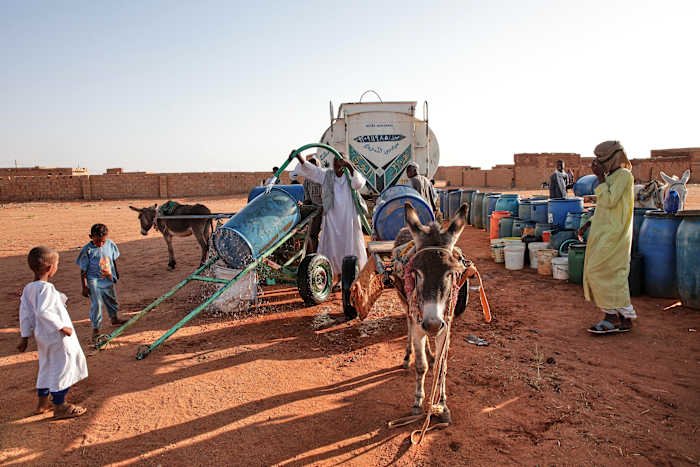
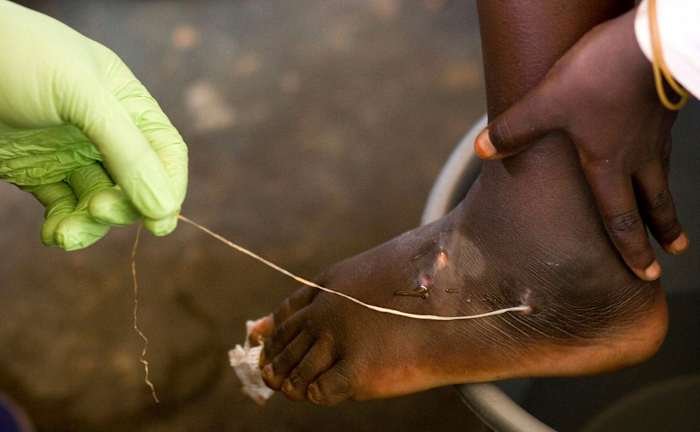
Guinea worm disease, also known as dracunculiasis, is a parasitic infection caused by the Dracunculus medinensis worm. For centuries, the disease has plagued communities in Africa, Asia, and the Middle East, causing severe pain and disability. People become infected by drinking water contaminated with the worm’s larvae, which can grow up to three feet long inside the human body before painfully emerging through the skin.
Once widespread, the disease afflicted millions annually. Its slow, agonizing symptoms kept children out of school, adults out of work, and communities trapped in cycles of poverty and poor health. The disease is not spread from person to person, making it uniquely vulnerable to eradication through simple interventions like providing clean drinking water, filtering water sources, and health education campaigns.
For decades, the Carter Center, founded by former U.S. President Jimmy Carter, has led the international charge to eliminate Guinea worm disease. Their relentless efforts, in partnership with the World Health Organization, local governments, and communities, have led to dramatic reductions in cases—from 3.5 million in 1986 to just 10 in 2025.
2025: Only 10 Cases Remain
According to the Carter Center’s latest report, the last 10 cases of Guinea worm disease were detected in three countries: Chad, Ethiopia, and Mali. This marks a historic low, with the disease now teetering on the edge of total eradication. This achievement is especially significant given the challenges posed by remote rural areas, political instability, and the emergence of infections in animals such as dogs and cats, which threatened to complicate eradication efforts.
The Carter Center’s success comes after years of innovative approaches and community engagement. Health volunteers monitor at-risk areas, educate locals about safe water practices, and provide tools like water filters. These programs have not only reduced Guinea worm cases but also improved overall public health standards in affected regions.
While the fight is not over, the finish line is in sight. Zero human cases over a sustained period is the final goal, after which Guinea worm disease could become only the second human disease ever eradicated, following smallpox.
Why Guinea Worm Eradication Matters for Orlando
At first glance, Guinea worm disease might seem like a distant problem for Orlando residents—after all, the parasite has never been endemic to Florida. However, the eradication of any disease has far-reaching implications, even for Central Florida’s communities.
- Global Health Security: In our interconnected world, disease outbreaks anywhere can threaten health everywhere. The COVID-19 pandemic underscored the importance of strong international health systems. Eradicating diseases like Guinea worm strengthens global surveillance and response capacity, which ultimately protects Orlando and other U.S. communities from emerging health threats.
- Humanitarian Leadership: The Carter Center’s efforts reflect the United States’ ongoing leadership in global health. Orlando is home to many health professionals, students, and researchers who contribute to international health initiatives. Local universities and organizations can draw inspiration from this campaign’s success.
- Educational Opportunities: For Orlando’s schools and colleges, the Guinea worm eradication campaign offers a case study in public health, science, and community action. It’s a powerful example for young people considering careers in medicine, research, or humanitarian work.
- Travel and Tourism: Central Florida is a global hub for tourism, business, and education. Orlando residents and visitors benefit from a world where preventable diseases are kept in check, reducing health risks for travelers and immigrants alike.
The Final Hurdles: Challenges and Hope
While the end is in sight, experts caution that the final cases of any disease are the hardest to eliminate. Political unrest, lack of infrastructure, and the parasite’s ability to infect animals complicate eradication. Surveillance must remain vigilant, and funding must continue until the disease is officially gone worldwide.
The Carter Center also highlights the need for ongoing research. The discovery that dogs and cats can carry the parasite in some regions adds a new layer of complexity. Innovative strategies—like rewarding communities for reporting and containing animal infections—are being tested to break the last chains of transmission.
For Orlando residents interested in supporting global health, organizations like the Carter Center welcome donations and advocacy. Local students can participate in global health internships or educational programs to join the fight against neglected tropical diseases.
Looking Ahead: A World Without Guinea Worm
The near-eradication of Guinea worm disease is one of the most remarkable achievements in modern public health. It shows what’s possible when communities, scientists, and leaders unite against a common enemy. As we celebrate this milestone, Orlando residents can take pride in the U.S.’s role in this global effort and look forward to a future where Guinea worm disease is cons