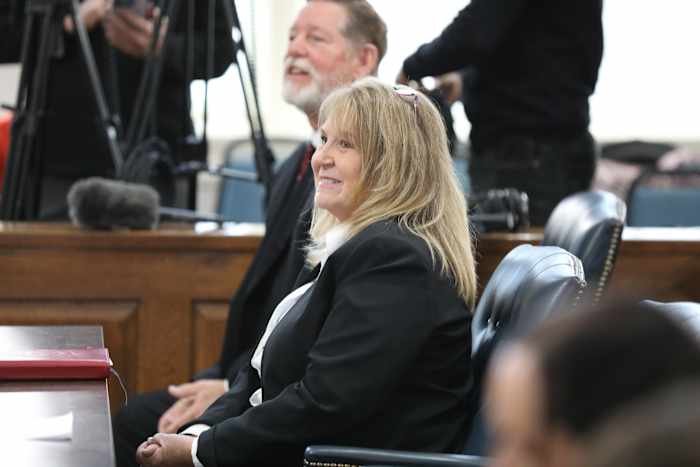
Orlando, FL – News out of South Carolina is making waves across the nation, including right here in Orlando, as the integrity of the court system comes under scrutiny. Becky Hill, the former Colleton County Clerk of Court who played a pivotal role in the high-profile Alex Murdaugh trial, has pleaded guilty to showing sealed court exhibits to a photographer and then lying about her actions in court. This development raises fresh concerns about the sanctity of legal proceedings and has implications for how the justice system is perceived—even hundreds of miles away in Central Florida.
The Murdaugh Case: Why It Matters Beyond South Carolina
For months, the trial of Alex Murdaugh, a once-prominent South Carolina attorney convicted of murdering his wife and son, captivated viewers nationwide, including residents of Orlando. The case was marked by intense media coverage, sensational testimonies, and a broader discussion about legal ethics and power dynamics in the American justice system. As the trial unfolded, it became a symbol of the challenges faced by courts in balancing transparency with the need to protect sensitive information.
Now, with the revelation that a key court official broke protocol by exposing sealed evidence, the ripple effects are being felt far beyond South Carolina. Communities in Orlando and across Florida are reflecting on their own systems, questioning whether enough safeguards are in place to protect the integrity of high-profile trials.
The Charges Against Becky Hill
Becky Hill, as Clerk of Court, was entrusted with safeguarding sensitive materials and upholding the confidentiality of court proceedings. However, prosecutors say she showed sealed court exhibits—evidence not intended for public viewing—to a photographer during the trial. When confronted, Hill is accused of lying to a judge about her actions, compounding her misconduct.
In a recent court appearance, Hill pleaded guilty to misdemeanor charges of misconduct in office and lying to the court. She was sentenced to probation, but the damage to public trust may last much longer. The case has reignited debates about the responsibilities and accountability of those who serve in the legal system, and whether current oversight mechanisms are sufficient.
For Orlando’s legal community, this news serves as a cautionary tale. Local officials are likely taking a closer look at their own practices to prevent similar breaches, especially as Central Florida continues to grow and attract more high-profile cases.
Implications for Court Transparency and Public Trust
Sealed exhibits are meant to protect the privacy and rights of trial participants, ensure a fair process, and prevent undue influence from public opinion or media. By leaking these materials, Hill not only violated court rules but also put at risk the integrity of the Murdaugh trial. The legal community in Orlando and beyond understands that even a single breach can cause significant harm—potentially leading to appeals, mistrials, or diminished faith in the justice system.
In Orlando, where courtrooms regularly handle cases that garner public attention, the importance of strict adherence to confidentiality cannot be overstated. The Hill case is prompting renewed calls for ethics training, clearer protocols, and more robust oversight of court personnel. As public faith in the justice system is critical for its effective functioning, any incident that undermines that trust is a cause for concern.
Orlando’s Response: Lessons and Safeguards
While the events unfolded in South Carolina, the lessons are being heeded in Orange, Osceola, and Seminole Counties. Local court administrators are reportedly reviewing their policies around sealed evidence and staff training. Community leaders and legal experts in Orlando are emphasizing the need for transparency balanced with the protection of sensitive information.
In interviews with Daily Orlando News, several local attorneys stressed the importance of rigorous background checks, ongoing training, and a culture of accountability for all court staff. “It only takes one lapse in judgment to undermine years of hard work and erode public trust,” said a prominent Orlando defense attorney. “We need to make sure what happened in South Carolina doesn’t happen here.”
This case is also a reminder to the Orlando media and public to respect court rulings about sealed information, recognizing that the drive for transparency must be balanced with legal and ethical boundaries.
The Broader Impact: Trust in the American Legal System
The Murdaugh case and the subsequent misconduct by Becky Hill have underscored a wider issue: the fragility of trust in the American legal system. In Orlando, as elsewhere, the fairness of trials depends not only on attorneys and judges but also on the integrity of court staff and the responsible behavior of everyone involved.
This high-profile breach is a warning sign for all jurisdictions. It calls for vigilance, ongoing review of protocols, and proactive steps to maintain public confidence. As Orlando continues to grow and its courts handle increasingly complex cases, the community must remain committed to the highest standards of legal ethics and transparency.
Conclusion
The guilty plea of Becky Hill in the Murdaugh case is more than just a headline—it’s a stark reminder of the vital role that court officials play in upholding justice. As Orlando and Central Florida continue to watch high-profile cases unfold, this incident serves as a lesson on the importance of trust, transparency, and ethical conduct in the legal system. We want to know what you think: How can Orlando’s courts safeguard against similar breaches? Have you lost trust in the system, or do you believe these incidents are rare exceptions? Share your thoughts in the comments below!