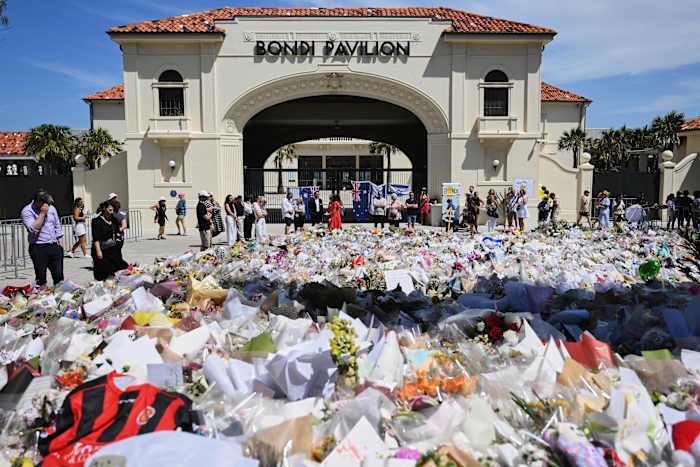
In the wake of a tragic attack at a Sydney shopping center, the Australian state of New South Wales (NSW) is taking decisive action to curb the public display of extremist symbols. The proposed measures aim to ban the Islamic State (IS) flag and other extremist emblems, sparking a nationwide conversation about the balance between free expression and public safety. While this news is unfolding on the other side of the globe, its implications resonate right here in Orlando and across the United States—reminding us of the importance of vigilance and unity in the face of extremism.
Background: The Bondi Junction Shooting and Its Aftermath
The urgency behind the proposed law stems from a shocking event at the Westfield Bondi Junction mall in Sydney, where a 16-year-old allegedly attacked a shopper with a knife while carrying a flag associated with the Islamic State group. The incident, which left one person wounded, reignited fears about lone-wolf terrorism and the spread of extremist ideologies in public spaces.
NSW Premier Chris Minns responded quickly, announcing plans to introduce legislation that would make it an offense to publicly display flags and symbols deemed representative of terrorist organizations. The move has drawn widespread support from both the government and opposition, reflecting a growing consensus that more needs to be done to prevent the glorification of violence.
The Proposed Law: What Will Change in NSW?
Under the new legislation, it would become illegal to display, distribute, or manufacture extremist symbols in public places. The focus is primarily on the Islamic State flag, but the law could extend to other emblems linked to recognized terrorist groups. Those found guilty could face significant fines and even jail time.
Supporters argue that these symbols are not merely expressions of belief, but tools used by extremist groups to recruit, intimidate, and incite violence. By banning them, authorities hope to send a clear message that hate and extremism have no place in Australian society.
However, civil liberties advocates have voiced concerns about potential overreach and the risk of infringing on freedom of expression. The government has pledged to consult widely and ensure that the law is carefully targeted, aiming to balance security with individual rights.
International Repercussions and Lessons for Orlando
While this legislative push is happening in Australia, the issues at stake are familiar to communities in Orlando and throughout the U.S. The 2016 Pulse Nightclub tragedy remains a painful reminder of how extremist ideologies can fuel violence close to home. In recent years, Orlando has taken significant steps to enhance community safety, foster dialogue, and prevent radicalization, but the threat of extremist symbolism remains a concern.
Many law enforcement agencies in the United States monitor the use of extremist symbols both online and in public spaces. While the First Amendment provides broad protections for free speech, there are ongoing debates about where to draw the line when it comes to hate speech and symbols that incite violence. The NSW proposal may inspire similar discussions among policymakers and community leaders in Orlando, especially as global events increasingly impact local security dynamics.
Furthermore, Orlando’s diverse communities often look to international examples when shaping their own responses to extremism. The Australian approach could provide valuable insights into how other democracies are adapting to new security challenges, and what measures might be effective—or controversial—if considered in the U.S. context.
Community and Legal Implications: Striking the Right Balance
One of the central debates surrounding the NSW proposal is how to define which symbols are considered “extremist.” Critics warn that poorly drafted laws could inadvertently target innocent individuals or groups, especially those whose religious or political symbols are misunderstood or misrepresented.
Community leaders in Orlando have long emphasized the importance of education, outreach, and trust-building as tools in the fight against extremism. Many argue that while legal measures can play a role, they must be accompanied by efforts to foster inclusion and address the root causes of radicalization. As Orlando considers its own approaches, the Australian debate highlights the need for precise and transparent laws that respect diversity while protecting public safety.
Ultimately, it’s a delicate balancing act—one that requires ongoing dialogue between government officials, law enforcement, civil society, and affected communities. Open communication and mutual respect are essential to ensure that measures intended to prevent violence do not inadvertently undermine the very freedoms and values they seek to protect.
Looking Ahead: What Comes Next?
The NSW government is expected to introduce the proposed legislation to parliament within weeks, with the goal of enacting it before the end of the year. The outcome will be closely watched not only in Australia, but also by policymakers and security experts around the world—including here in Orlando.
As communities everywhere grapple with the challenge of countering extremist ideologies, the debate in New South Wales offers both cautionary lessons and potential pathways forward. Whether through legal reforms, education initiatives, or cross-border cooperation, the goal remains the same: to create safe, inclusive spaces where hate has no home.
Conclusion: Join the Conversation
As the world reacts to the changes underway in New South Wales, it’s an important moment for Orlando residents to reflect on how we approach the issues of extremism, free speech, and community safety. Do you think banning extremist symbols is an effective way to combat radicalization? What steps should Orlando take to balance security and civil liberties? Let us know your thoughts in the comments below—and join the conversation here at Daily Orlando News.