Introduction
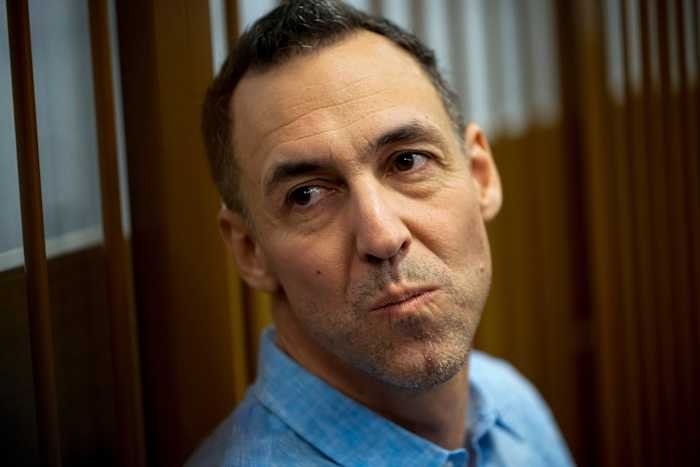
The diplomatic relationship between Russia and France has been thrust into the international spotlight as the Kremlin confirmed ongoing discussions with French authorities regarding Laurent Vinatier, a French academic currently serving a three-year sentence in Russia. Vinatier, a respected scholar with a focus on Russian and Eurasian affairs, now reportedly faces additional espionage charges. For residents of Orlando, a city with a growing international community and deep educational ties to global affairs, this story highlights both the complexities of international justice and the broader implications for academic freedom and diplomatic relations.
Background: Who is Laurent Vinatier?
Laurent Vinatier is a prominent French scholar known for his research on Russia and post-Soviet states. He was detained by Russian authorities in June 2023, initially on charges related to violating laws governing foreign agents. In early 2024, he was sentenced to three years in prison. Recent reports indicate that Russian prosecutors have filed new espionage charges against him, raising the stakes for his case and intensifying international concern.
Vinatier’s arrest and subsequent legal troubles have drawn criticism from academic circles around the world, including universities in the United States with robust Russian studies programs. Orlando’s own University of Central Florida (UCF), which has a growing international studies department, has seen professors and students rallying for academic freedom and expressing concern over the potential chilling effect this case may have on research and scholarly exchange.
Kremlin’s Offer: What Do We Know?
Earlier this week, Kremlin spokesperson Dmitry Peskov confirmed that Moscow had made an “offer” to France concerning Vinatier’s case. While details of the proposed deal remain confidential, diplomatic sources suggest that Russia may be seeking a prisoner exchange or certain concessions from France. French officials have acknowledged ongoing talks but have not commented publicly on the specifics.
For Orlando’s international community, this development is significant. Many local residents have friends, family, or academic colleagues who travel or work abroad, and such high-profile cases underscore the legal and personal risks that can arise in international contexts. The situation also serves as a reminder of the importance of diplomatic channels and legal protections for citizens abroad—a topic that resonates with Orlando families who participate in study abroad programs or conduct business internationally.
Espionage Charges: A New Twist in the Case
The addition of espionage charges against Vinatier has escalated the severity of his situation. Espionage is a grave accusation under Russian law and carries the possibility of an even longer prison sentence. Human rights groups and academic organizations—including American institutions—have voiced concerns that the charges are politically motivated and may be intended to pressure France amid ongoing tensions between Russia and the European Union.
In Orlando, where several local nonprofits work to support political prisoners and advocate for human rights, the Vinatier case is being watched closely. Local leaders have issued statements urging the U.S. government to monitor the situation and support international efforts to ensure fair treatment for all detained citizens abroad. The case has also sparked dialogue among Orlando’s academic community about the risks of international research and the importance of safeguarding scholarly independence.
International Implications and Orlando’s Connection
While the Vinatier case is unfolding thousands of miles from Central Florida, its impact is felt here in Orlando in several ways. The city’s universities collaborate with institutions in France and Russia, and local businesses have partnerships with European companies. Events like these can affect student exchange programs, research collaborations, and even tourism between Orlando and France or Russia.
Furthermore, Orlando is home to a diverse population, including French and Russian expatriates who are deeply invested in this story. Community organizations are holding forums and discussions to keep residents informed about the progress of the negotiations and their possible outcomes. For Orlando residents considering travel or work abroad, the situation underscores the importance of staying informed about international legal risks and the value of consular support.
Looking Ahead: What Happens Next?
As talks between Moscow and Paris continue, Vinatier’s fate remains uncertain. The outcome will likely depend on the success of diplomatic negotiations and the willingness of both countries to reach a mutually agreeable solution. For now, human rights advocates and academic communities around the world—including those in Orlando—are calling for transparency, due process, and respect for international legal standards.
The Vinatier case also serves as a cautionary tale for scholars and professionals working in sensitive international environments. It highlights the importance of robust legal protections, strong diplomatic relationships, and the ongoing fight for academic freedom.
Conclusion
The arrest and prosecution of Laurent Vinatier remain a source of international tension and local concern in Orlando. As the Kremlin and French authorities negotiate over his fate, the case continues to raise important questions about academic freedom, diplomatic negotiation, and the protection of citizens abroad. At Daily Orlando News, we will keep following this developing story and its impact on our community. What do you think about the Vinatier case and its implications for Orlando? Share your thoughts in the comments below—we want to hear from you!