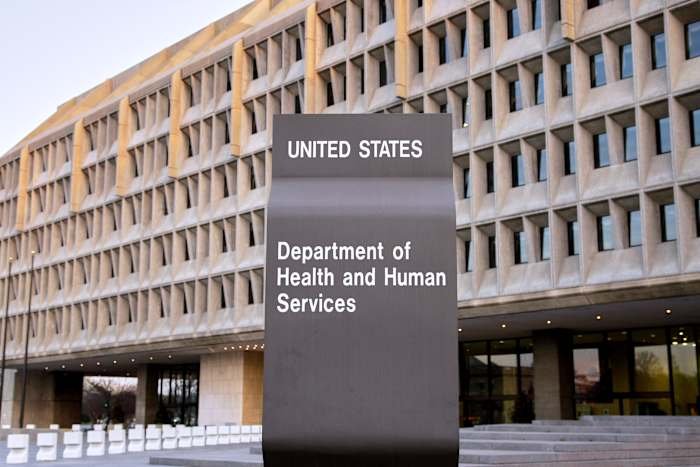
Medicaid, the government health insurance program for low-income Americans, is facing a staggering problem: improper payments for patients who are no longer alive. A new report from the Department of Health and Human Services (HHS) reveals that, between 2021 and 2022, Medicaid programs across the country paid out more than $207 million to health care providers for services supposedly rendered to deceased individuals. In the wake of this revelation, a new law aims to crack down on this costly issue—and its impact is being felt right here in Orlando.
Understanding the Medicaid Payment Problem
Medicaid is a lifeline for millions, including thousands of Orlando residents. But like any large system, it is susceptible to administrative errors and, at times, outright fraud. The recent HHS report shines a light on just how much money is being lost. Payments for deceased patients may occur when state Medicaid agencies fail to update patient records quickly, or when health care providers submit claims without proper verification.
In Florida, and especially in bustling urban areas like Orlando, Medicaid serves a vast and diverse population. Many local providers rely on timely payments from Medicaid to keep their doors open. However, when funds are misallocated to ineligible recipients, it means less money is available for those who truly need care. Beyond the financial aspect, it erodes public trust in a program intended to help our most vulnerable neighbors.
How Did This Happen?
The improper payments highlighted in the HHS report often stem from delays or inaccuracies in reporting deaths to Medicaid agencies. Sometimes, state records aren’t synced quickly with federal databases, leaving a gap during which fraudulent or incorrect claims can be filed and paid.
In Orlando, where the population is growing and the health care landscape is constantly evolving, the risk of administrative errors increases. Local hospitals and clinics may inadvertently bill for patients who have passed away, especially if they aren’t notified in real time. On the other hand, some cases involve deliberate fraud, where providers knowingly submit claims for deceased individuals to pocket extra funds.
This isn’t just a bureaucratic snafu—it’s a real issue that affects the integrity of the entire Medicaid system. Every dollar lost to improper payments is a dollar that could have gone to help a living Orlando resident in need of medical care.
The New Federal Law: What’s Changing?
In response to the findings of the HHS report, lawmakers have pushed for new regulations to prevent Medicaid from paying for services rendered to deceased patients. The new law requires states to tighten oversight and reporting. Here’s how it aims to fix the problem:
- Faster Death Record Updates: States must update Medicaid rolls more quickly when a patient dies, reducing the window for improper payments.
- Improved Data Sharing: The law mandates closer collaboration between state Medicaid agencies and federal databases, such as the Social Security Administration’s Death Master File.
- Increased Auditing: Medicaid payments will be subject to more frequent and rigorous audits to detect suspicious patterns.
- Penalties for Fraud: Providers caught intentionally billing for deceased patients face heightened penalties and potential exclusion from the Medicaid program.
For Orlando’s health care providers, this means adapting to new procedures and ensuring their records are up-to-date. While it may require some additional administrative work, the goal is to safeguard Medicaid funds for those who need them most.
The Local Impact: Orlando Faces Unique Challenges
Orlando’s diverse population and status as a major metropolitan area bring unique challenges to the Medicaid system. The city’s rapid growth means more new enrollees and, unfortunately, more opportunities for administrative errors. Local providers must navigate a complex web of patient records, insurance claims, and regulatory requirements.
Improper Medicaid payments in Orlando don’t just affect the state’s budget—they influence the day-to-day operations of clinics, hospitals, and other health services. If Medicaid dollars are wasted, it can mean longer wait times, reduced services, or fewer resources for community health programs. Additionally, any perception of fraud or waste can undermine public support for Medicaid expansion efforts that would benefit Orlando’s uninsured population.
By tightening controls and ensuring only eligible patients are covered, the new law offers hope that more Medicaid funding will reach those who truly need it in Orlando and beyond.
What Can Orlando Residents and Providers Do?
Solving the problem of improper Medicaid payments requires everyone’s help. Here are some practical steps for Orlando residents and health care providers:
- Keep Records Updated: Families should promptly notify Medicaid and health care providers if a loved one passes away. This helps prevent unintentional billing.
- Report Suspicions: If you suspect fraudulent activity, report it to Florida’s Medicaid Fraud Control Unit. Tips from the community make a difference.
- Stay Informed: Providers should invest in staff training and stay updated on the latest Medicaid regulations to avoid accidental errors.
- Advocate for Oversight: Community leaders and advocates can push for continued improvements in Medicaid oversight, ensuring Orlando’s health care dollars are spent wisely.
By working together, we can help ensure Medicaid remains a reliable safety net for those who need it most in Orlando.