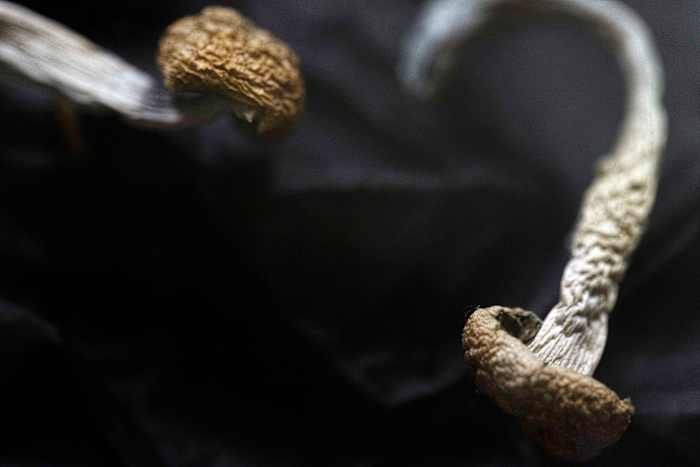
Imagine sitting in a quiet room, guided by a professional, as you embark on a journey through your own mind. For some Orlando residents, this is becoming a reality with the rise of psychedelic-assisted therapy, especially with the use of psilocybin mushrooms. At the forefront of this movement is psychologist Brian Pilecki, who once watched a patient revisit a childhood memory as if traveling back in time. This unique form of therapy is gaining traction nationwide—and now, Orlando is joining the conversation.
The Science Behind Psychedelic Therapy
Psychedelic therapy utilizes substances such as psilocybin (the active compound in “magic mushrooms”) to enhance traditional talk therapy. Recent clinical trials suggest that, when administered in a controlled setting, psilocybin can help patients with depression, anxiety, PTSD, and even addiction. According to experts, the mushrooms “quiet” certain areas of the brain, allowing patients to process difficult emotions and traumatic memories without overwhelming fear or anxiety.
Orlando’s medical community is keeping a close eye on this research. Dr. Pilecki, who has studied the effects of psychedelics on mental health, notes that the therapy’s power lies in its ability to help patients access long-buried experiences. “It isn’t a magic bullet,” he says, “but it can open doors that were previously locked.”
Real-Life Stories: From Hesitation to Hope
One of the most compelling cases Dr. Pilecki recounts involves a patient struggling with decades-old trauma. During a carefully supervised session, the patient described “traveling back in time,” vividly recalling moments from childhood with newfound clarity. This breakthrough allowed them to process and release emotional pain that traditional therapy hadn’t reached.
Such stories aren’t unique. Across Orlando, a growing number of people are seeking alternative therapies as mental health challenges continue to rise. Local support groups and online forums are filled with testimonials from residents who credit psychedelic therapy with changing their lives. While the therapy isn’t yet legal in Florida outside of clinical trials, the demand for innovative mental health care is clear.
Legal and Ethical Considerations in Orlando
Despite the promising results, psychedelic therapy still faces significant legal hurdles in Florida. Psilocybin remains a Schedule I substance under both state and federal law, meaning it is illegal to possess or use outside of approved research studies. However, there is a growing movement to change these laws. In 2023, lawmakers introduced a bill to legalize psilocybin therapy for certain mental health conditions, but it stalled in committee.
Orlando’s mental health professionals are advocating for more research and a thoughtful approach to potential legalization. “We want to make sure any changes are safe and evidence-based,” says Dr. Pilecki. Local hospitals and universities, including UCF, are monitoring developments closely and considering future research partnerships.
For now, those interested in psychedelic therapy must travel to other states, like Oregon or Colorado, where pilot programs are underway. Some Orlando residents have also participated in clinical trials out of state, bringing their experiences back to the local mental health community.
What’s Next for Orlando?
As the national conversation around psychedelics evolves, Orlando is poised to be part of the next wave of mental health innovation. Advocates hope that increased awareness and ongoing research will eventually lead to safe, regulated access to therapies involving mushrooms and other psychedelics.
Local non-profits and educational groups are hosting workshops and seminars to inform the public about the science and ethics of psychedelic therapy. Meanwhile, mental health advocates are urging policymakers to focus on patient safety, training for therapists, and community education before making any legal changes.
Residents interested in learning more can seek out local events or connect with national organizations like MAPS (Multidisciplinary Association for Psychedelic Studies) to stay informed about research opportunities and policy updates. As Orlando continues to grow as a hub for medical research and innovation, the city could soon play a critical role in shaping the future of mental health treatment.
Conclusion: Join the Conversation
The potential for mushrooms to enhance therapy is both exciting and controversial. As Orlando navigates the path forward, it’s vital for residents, healthcare professionals, and policymakers to stay informed and engaged. Have you or someone you know explored innovative therapies for mental health? What are your thoughts on the use of psychedelics in clinical settings? Share your experiences and opinions in the comments below—we want to hear from you!