Daily Orlando News — In a story making international headlines and sparking debate far beyond British borders, the U.K. government has demanded the resignation of a senior police official after Maccabi Tel Aviv soccer fans were banned from attending a match against Aston Villa. While the incident unfolded thousands of miles away, the controversy underscores growing conversations around inclusivity, policing, and international sports — all of which resonate in Orlando’s diverse and globally connected community. Here’s what happened, why it matters, and what Orlando residents can learn from the situation.
The Incident: What Happened at the Aston Villa vs Maccabi Tel Aviv Match?
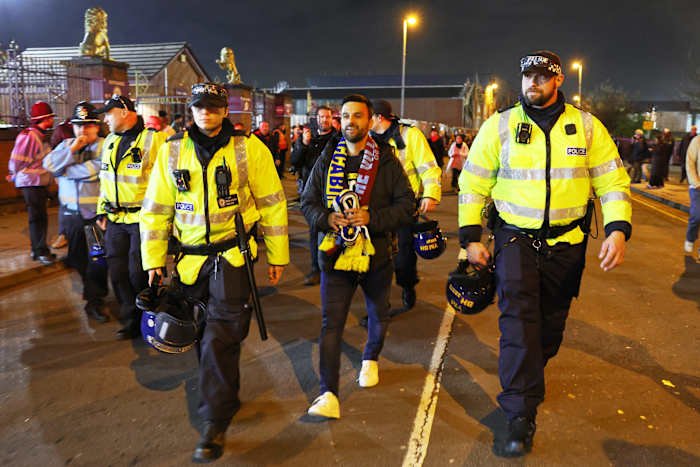
On November 9, 2023, supporters of Israel’s Maccabi Tel Aviv football club were barred from attending a UEFA Europa Conference League match in Birmingham, England. West Midlands Police, citing security concerns tied to ongoing tensions in the Middle East, recommended the ban, which was subsequently enforced by local authorities and event organizers. The decision drew immediate criticism from fans, rights groups, and officials who argued it unfairly targeted a specific group and set a worrying precedent for international sports events.
The ban, which impacted hundreds of traveling fans, was later reviewed in a government-commissioned report that found significant failings in the decision-making process. The U.K. Home Secretary, James Cleverly, responded by urging the head of West Midlands Police, Chief Constable Craig Guildford, to resign — a move that has sent shockwaves throughout the British law enforcement community and beyond.
Political Fallout and Public Response in the UK
The call for resignation is a rare and dramatic intervention by a senior government official into police matters. Home Secretary Cleverly stated that the handling of the situation “undermined public trust” and failed to uphold the principles of fairness and freedom of movement for sports fans. The report found that police acted without sufficient consultation and relied too heavily on generalized security fears rather than specific intelligence.
Public reaction in the U.K. has been divided. Some praise the government’s tough stance against what they see as discriminatory policing, while others are concerned about political interference in operational police decisions. Football associations and Jewish community groups in Britain have expressed relief that the issue has been addressed at the highest level, but remain wary of potential repeat incidents.
Implications for International Sports and Orlando’s Global Ties
The saga has implications that extend well beyond the British Isles. Orlando, home to a vibrant international community and a popular destination for major sporting events, can draw important lessons from this controversy. With teams like Orlando City SC and regular hosting of international matches and tournaments, the city is no stranger to welcoming fans from around the globe.
This incident serves as a reminder of the importance of inclusive event planning and the need for clear communication between law enforcement, event organizers, and fan groups. Ensuring that all fans feel safe and welcome at Orlando’s sports venues is key not only to the city’s reputation but also to its economic success. In an era of heightened global tensions, local authorities must balance security concerns with a commitment to fairness and non-discrimination — a challenge that’s now front and center after the events in Birmingham.
Lessons for Orlando: Inclusivity, Security, and Community Trust
What can Orlando’s sports community, local law enforcement, and city officials learn from this incident? First, the importance of transparency and due process in decision-making cannot be overstated. Any restrictions on fan attendance should be based on clear, specific threats, not broad assumptions. Open dialogue with fan organizations and representatives of potentially affected communities can help prevent misunderstandings and foster a sense of ownership and trust.
Second, Orlando’s diverse population is one of its greatest strengths. The city’s ability to host international visitors — whether for soccer games, concerts, or conventions — depends on maintaining a welcoming atmosphere for all. The controversy in the U.K. highlights the risks of letting fear override inclusion, and underscores the value of Orlando’s ongoing efforts to engage with its many cultural and religious communities.
Finally, building strong relationships between police, event organizers, and the wider community is essential. Training in cultural sensitivity and crowd management, as well as investment in dialogue and outreach, can help Orlando avoid the pitfalls that led to the Aston Villa-Maccabi Tel Aviv fan ban.
How Orlando Residents Are Reacting — And What’s Next
While the specific incident may have occurred overseas, local Orlando soccer fans, Jewish community leaders, and civic groups have expressed concern about the precedent it sets. Some have called for Orlando’s sports venues to reaffirm their commitment to inclusivity, while others are urging city leaders to review existing protocols for international events.
As Orlando prepares for a busy calendar of sports and cultural events in 2024 and beyond, the challenge will be to balance robust security measures with the values of openness and hospitality that define the city.
Conclusion: What Do You Think?
The controversy over the banning of Maccabi Tel Aviv fans from a major European soccer match — and the subsequent political fallout — is a reminder that issues of fairness, security, and inclusion are truly global in scope. As Orlando continues to grow as an international destination, the lessons from abroad are more relevant than ever at home.
What are your thoughts on how Orlando can continue to welcome fans from around the world while keeping everyone safe? Have you experienced or witnessed issues of inclusivity or security at local events? Share your thoughts in the comments below — we want to hear from you!