Introduction
Across the United States, the intersection of immigration policy and public health is coming to the forefront, with recent developments in Minnesota raising urgent concerns. Doctors in Minnesota are reporting that many immigrant patients are missing crucial medical appointments, driven by fear of deportation amid the Trump administration’s intensified immigration crackdown. While this news is unfolding several states away, the ripple effects are keenly felt in communities like Orlando, where immigrant families face similar anxieties and challenges accessing healthcare. In this post, we’ll unpack the situation in Minnesota, explore the local impact in Orlando, and discuss why this issue matters for the entire nation.
1. The Situation in Minnesota: Clinics in Crisis
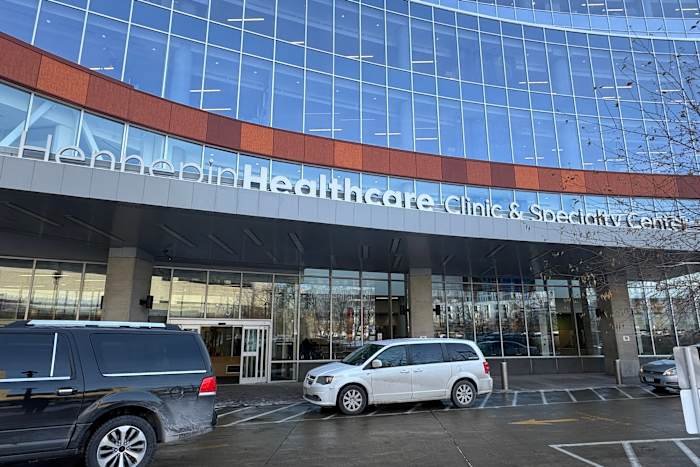
Doctors and healthcare workers in Minnesota have sounded the alarm as immigration enforcement actions surge. According to medical professionals, the climate of fear among immigrants—especially those lacking documentation—has reached a level where many are forgoing vital medical care. Clinics in cities like Minneapolis and St. Paul have reported a sharp rise in missed appointments, delayed treatments, and even patients discontinuing necessary medications. The underlying cause, physicians say, is a direct response to increased federal immigration raids and the presence of Immigration and Customs Enforcement (ICE) agents in public spaces.
Healthcare providers stress that these actions do not just affect individuals, but also public health at large. Communicable diseases, untreated chronic illnesses, and mental health crises can worsen when people are afraid to seek help. The American Medical Association and other health groups have urged the government to consider “safe zones” for healthcare facilities, but as of now, uncertainty and anxiety persist.
2. How Fear Impacts Health: The Human Toll
The consequences of missed appointments and delayed care are severe. Children skip vaccinations, pregnant women forego prenatal visits, and people with chronic conditions—like diabetes or hypertension—go untreated. Doctors warn that this can result in avoidable hospitalizations, complications, and even fatalities. “We’re seeing patients who are sicker, because they waited too long to come in,” said one Minnesota physician. The fear of encountering law enforcement or being separated from family outweighs health needs for many.
This phenomenon is not unique to Minnesota. In cities with sizable immigrant populations—Orlando included—community clinics and advocacy groups report similar trends. In Central Florida, organizations like the Hope CommUnity Center and Florida Immigrant Coalition have noted that immigrants are increasingly hesitant to seek medical attention, even for serious illnesses. This puts additional strain on emergency rooms and can lead to public health risks for the broader community.
3. Orlando’s Immigrant Community: Local Parallels and Concerns
Orlando is home to a vibrant and diverse immigrant community, with thousands of residents from Latin America, the Caribbean, and beyond. Many families have mixed immigration statuses, which can heighten anxiety. Local healthcare providers have observed a rise in canceled appointments and requests for telehealth visits from patients worried about leaving their homes. “The fear is palpable,” says a nurse at a downtown Orlando clinic. “Even when we reassure patients that this is a safe space, it’s hard to overcome the broader climate of fear.”
Nonprofits and legal aid organizations in Orlando are working to educate immigrant families about their rights and the importance of seeking medical care. However, mistrust and rumors—often fueled by social media—make it challenging to get accurate information to those who need it most. Orlando’s public health officials have echoed calls from Minnesota to keep healthcare spaces free from immigration enforcement, emphasizing that everyone should be able to access care without fear.
4. National Implications and Calls for Policy Change
The situation in Minnesota, and its echoes in Orlando and other cities, highlights a critical issue for national policymakers. Leading medical organizations have urged the federal government to clarify and reinforce policies that prohibit immigration enforcement at hospitals and clinics. They argue that public health and safety depend on everyone feeling safe to seek care. Without these protections, the consequences could be dire—not just for immigrants, but for the nation as a whole.
Meanwhile, grassroots advocacy continues to play a key role. In Orlando, community leaders are organizing forums, know-your-rights workshops, and partnerships with local clinics to help reduce fear and misinformation. As the situation evolves, many are looking to state and local governments for solutions that safeguard access to healthcare for all residents, regardless of immigration status.
Conclusion
The immigration crackdown in Minnesota has shined a light on the unintended consequences of enforcement on public health, with doctors warning of increased chaos and fear among immigrant patients. Here in Orlando, similar stories are unfolding, reminding us that this is not just a distant problem. As our community continues to navigate these challenging times, it’s crucial for all residents to stay informed, support one another, and advocate for policies that protect access to essential care. We want to hear from you: Have you or someone you know been affected by these issues? What steps do you think Orlando should take to ensure healthcare is accessible for all? Share your thoughts in the comments below!