By Daily Orlando News Staff
The 2024 Atlantic hurricane season may have officially ended, but the devastation left by Hurricane Melissa is far from over. Nearly two months after Melissa battered the north Caribbean, thousands are still grappling with hunger and makeshift living conditions. While Orlando residents may be enjoying calmer weather, the crisis in our neighboring region hits close to home, as local communities rally to support disaster relief efforts and many Central Floridians worry about friends and family still struggling in the Caribbean.
Lingering Devastation: The Aftermath of Hurricane Melissa
When Hurricane Melissa made landfall in early October, it unleashed catastrophic winds and torrential rains across several north Caribbean islands, including the Bahamas, Turks and Caicos, and parts of Hispaniola. The Category 4 storm destroyed homes, flooded farmlands, and left entire communities cut off from outside aid. Two months later, the scars remain visible: tents and tarps dot the landscape where sturdy houses once stood, and local markets face severe food shortages.
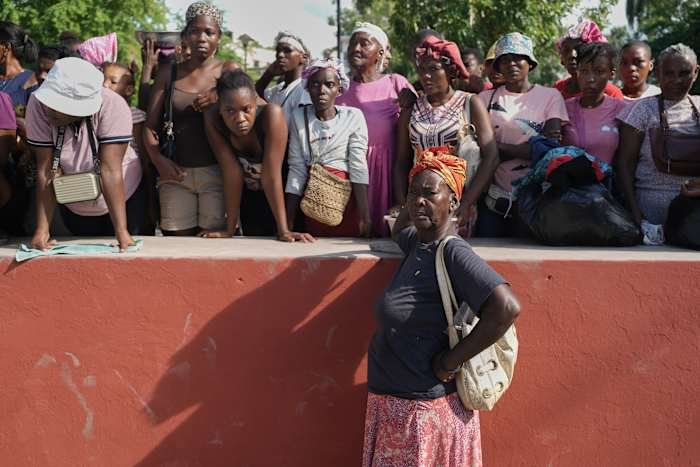
According to relief organizations, over 120,000 people are still displaced, with many surviving in temporary shelters built from salvaged debris. For those affected, finding enough to eat and a safe place to sleep is a daily struggle. Schools remain closed in some areas, and the lack of clean water has sparked concerns about disease outbreaks.
Food Insecurity: Hunger Grows as Supplies Dwindle
One of the most pressing issues in the hurricane’s aftermath is hunger. Local agriculture, the backbone of many island economies, was decimated by flooding and fierce winds. Crops of plantains, cassava, and yams were wiped out just before harvest, and livestock losses have further strained food supplies.
With ports and roads damaged, aid deliveries have been slow and sporadic. Food prices have soared, making basic staples unaffordable for many families. Relief agencies, including several based in Central Florida, have stepped up to send emergency rations, but the demand far exceeds the available resources. The United Nations has warned of a looming humanitarian crisis if more aid doesn’t reach those in need soon.
Makeshift Shelters: Living with Uncertainty
For thousands of hurricane survivors, the only available shelter is a patchwork of tents, tarps, and salvaged materials. These makeshift homes offer little protection from the elements, leaving residents vulnerable to rain, heat, and disease. Many families are crowded into cramped spaces, with little privacy or security.
The risk of illness is high, particularly among children and the elderly. Health clinics, already stretched thin before the disaster, are now overwhelmed by cases of respiratory infections, diarrhea, and skin diseases. Aid workers are racing to provide clean water, sanitation supplies, and medical care, but the scale of need is daunting.
Orlando’s Connection: How Our Community is Responding
Orlando has deep ties to the Caribbean, with a vibrant diaspora and close cultural connections. Many local residents have loved ones directly impacted by Hurricane Melissa. In the weeks since the storm, Orlando-based charities, churches, and businesses have mobilized to help. Donation drives, benefit concerts, and fundraisers have sprung up across the city, with residents contributing food, clothing, and financial support.
Groups like the Caribbean Community Connection of Orlando and the Second Harvest Food Bank are working with international partners to deliver aid directly to affected areas. These ongoing efforts remind us that disaster recovery is a long-term process, and the bonds between Orlando and the Caribbean are stronger than ever.
Looking Ahead: Recovery and Resilience
As the Caribbean faces the daunting challenge of rebuilding, international aid and local resilience will be crucial. Governments and nonprofits are working to restore infrastructure, reopen schools, and restart local economies. However, the scale of destruction means that recovery will take months, if not years.
Orlando residents can continue to make a difference by supporting reputable relief organizations, staying informed about ongoing needs, and advocating for long-term investments in disaster preparedness. The lessons from Hurricane Melissa highlight the importance of community solidarity, both at home and abroad.
Conclusion: Share Your Thoughts and Support
Hurricane Melissa may have faded from headlines, but its impact on the north Caribbean is still unfolding. As Orlando stands in solidarity with our neighbors, we want to hear from you: Do you have family or friends affected by the hurricane? Have you participated in local relief efforts? Share your stories, questions, and ideas in the comments below. Together, we can keep the conversation—and the support—going as the Caribbean works toward recovery.