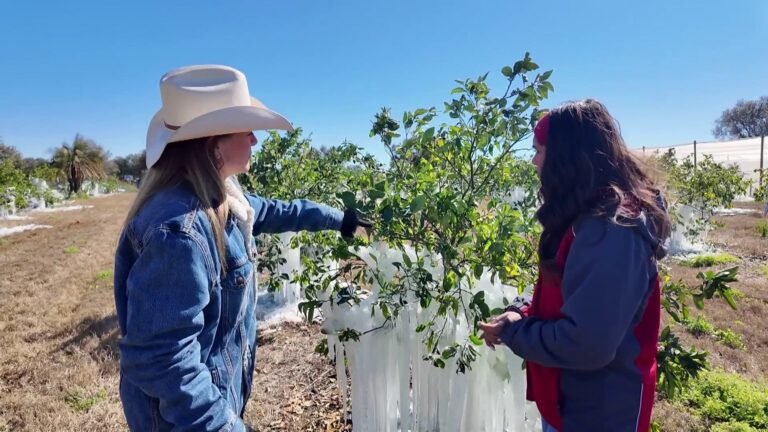
As a historic cold snap approaches Central Florida, local governments are mobilizing to protect vulnerable residents from dangerous wind chills expected this week. Orlando and surrounding counties are preparing to open cold weather shelters to provide warmth and safety. Here’s what Orlando residents need to know about where to find shelter, what to expect, and how to help neighbors in need.
Why the Cold Weather Is a Big Deal for Orlando
While Orlando is known for its sunny, mild climate, the region is not immune to rare but severe cold fronts. This week, meteorologists are forecasting overnight lows dipping into the 30s, with wind chills making it feel even colder—potentially setting records for the area. For Orlando’s large homeless population, as well as those without adequate heating, these temperatures can pose serious health risks, including hypothermia and frostbite.
The city’s infrastructure and homes are often not built to withstand cold snaps, making even a brief chilly spell especially dangerous. That’s why local officials, nonprofits, and faith groups are working together to ensure no one is left out in the cold.
Where to Find Cold Weather Shelters in Central Florida
Several shelters across Central Florida are opening their doors as the temperature drops. Here are some key locations in and around Orlando:
- Coalition for the Homeless of Central Florida (18 N Terry Ave, Orlando, FL 32801): One of the largest shelters in Orlando, expanding capacity during cold weather.
- Salvation Army Orlando (624 Lexington Ave, Orlando, FL 32801): Opening emergency beds for those in need. Call ahead at (407) 423-8581 for details.
- Christian Service Center (808 W Central Blvd, Orlando, FL 32805): Offering overnight shelter and hot meals as temperatures drop.
- Seminole County Emergency Cold Weather Shelters (Various locations): Visit the Seminole County website or call 211 for up-to-date locations and hours.
- Osceola Council on Aging (700 Generation Point, Kissimmee, FL 34744): Providing shelter for Osceola County residents.
- Orange County Family Services: Partnering with local churches and community centers to expand shelter options. Check the Orange County website for the most current shelter list.
Most shelters open their doors in the evening when temperatures are at their lowest and close in the morning. Some provide meals, blankets, and warm clothing—check with individual sites for specific services and requirements.
What to Expect When Visiting a Shelter
If you or someone you know needs shelter this week, here’s what to expect:
- Check-In Process: Many shelters conduct a basic intake for safety and capacity purposes. Arrive early, as spots can fill up quickly during weather emergencies.
- COVID-19 Precautions: Most locations continue to follow public health guidelines. Masks may be required, and social distancing is encouraged where possible.
- Amenities: Expect a warm place to sleep, basic toiletries, and sometimes hot meals or snacks. Some shelters also offer case management or connections to additional services.
- Pets: Policies vary. Some shelters, especially when coordinated with the county, may accommodate pets. Always call ahead if you need pet-friendly arrangements.
For those in the Orlando area, the city and county often coordinate transportation or provide information on the best way to reach open shelters. Residents can call 211 for real-time updates on shelter status and transportation options.
How Orlando Residents Can Help During the Cold Snap
Cold weather emergencies bring out the best in the Orlando community. If you’re looking to help:
- Donate: Most shelters accept donations of blankets, warm clothing, socks, gloves, hats, and non-perishable food. Monetary donations are also welcome to help expand capacity and provide meals.
- Volunteer: Extra hands are often needed during cold snaps for setup, meal service, or greeting guests. Reach out to local shelters to see how you can get involved.
- Check on Neighbors: Especially elderly or disabled residents may need extra support. Offer to help with errands or invite them to stay with you if their heating isn’t sufficient.
- Share Information: Spread the word about available shelters, especially on social media or in community groups. The more people know where to go, the more lives can be saved.
For up-to-date information, the City of Orlando and Orange County regularly update their websites and social media channels. Local news outlets like Daily Orlando News will also continue to provide the latest details as the cold front progresses.
Resources and Emergency Contacts
- 211 United Way Helpline: Call 211 or visit <a href="https://www.hfuw.org/211