German Soccer Federation Rejects World Cup Boycott Over Trump Stance
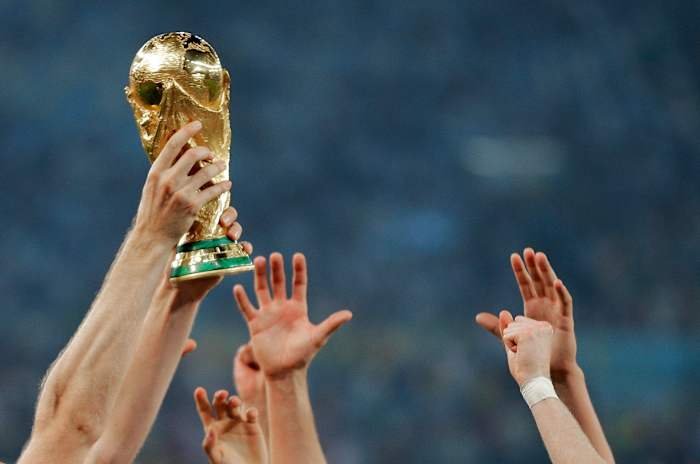
The intersection of sports and politics has always been a topic of intense debate, and the recent decision by the German Soccer Federation (DFB) not to boycott the upcoming World Cup, despite increasing calls to protest U.S. President Donald Trump, is a prime example. As the global soccer community gears up for the tournament, this decision has sparked discussions not just in Europe but also here in Orlando, a city with a vibrant international community and a passionate soccer fan base. In this article, Daily Orlando News examines the controversy, the implications for the World Cup, and what it means for Orlando’s soccer enthusiasts.
Background: The Push for a Political Statement
In recent months, political tensions have spilled over into the world of sports. Several players, fans, and even some officials within the German Soccer Federation had advocated for a boycott of the World Cup as a means to protest President Trump’s policies, specifically regarding immigration and international relations. They argued that participating in a tournament hosted by the United States would appear as tacit approval of these policies.
The debate reached a boiling point after some German political figures and high-profile athletes voiced support for a boycott. Their argument was that such a move would send a strong message about Germany’s commitment to human rights and international cooperation. However, after much deliberation, the DFB has officially ruled out any boycott, emphasizing the importance of sports as a unifying force rather than a political tool.
DFB’s Official Stance: Keeping Sports and Politics Separate
The German Soccer Federation released a statement clarifying its decision, noting that while it respects the concerns of those advocating for a boycott, it believes that the World Cup should remain a celebration of global unity and athletic excellence. The federation emphasized that athletes should not be put in the position of making political statements on behalf of their country.
DFB President Bernd Neuendorf stated, “We understand the concerns regarding the current political climate, but our mission is to represent our country through sport, not through boycotts. We hope to use our presence at the World Cup as an opportunity to promote dialogue and mutual respect.” This approach reflects the broader sentiment in international soccer, where most federations have opted to participate and use their platform for positive advocacy rather than outright withdrawal.
Impact on Orlando’s Soccer Community
Orlando is home to a diverse population with deep ties to the international soccer scene. With teams like Orlando City SC and a growing youth soccer movement, global tournaments like the World Cup are highly anticipated events in the city. The German federation’s decision has been closely watched by local soccer fans, many of whom have roots in Europe or Latin America and follow international news closely.
For Orlando’s soccer community, the decision not to boycott means that fans will have the chance to watch Germany, one of the world’s most storied soccer nations, compete on the biggest stage. Local bars, restaurants, and viewing parties are already preparing for a surge in demand, especially for games featuring the German team. Moreover, with Orlando’s increasing reputation as a host for international matches and tournaments, the city stands to benefit from the continued engagement and enthusiasm of its global fan base.
Broader Implications: Sports Diplomacy in a Divided World
The DFB’s refusal to boycott the World Cup highlights the complicated relationship between sports and politics. While some believe that sports should always remain separate, others argue that major sporting events are the perfect stage for advocating social and political change. The World Cup, watched by billions around the globe, undeniably offers a unique platform for promoting values such as inclusion and respect.
In Orlando, these broader debates are mirrored in the local community. The city regularly hosts events meant to build bridges between cultures, and soccer is seen as a key tool for fostering understanding and unity. While the German federation’s decision may disappoint some who saw a boycott as a necessary stand, it also opens the door for dialogue and peaceful protest both on and off the field.
What This Means for Soccer Fans in Orlando
For Orlando residents, the decision ensures that the World Cup will maintain its full complement of top-tier teams, preserving the excitement and competitive spirit that draws so many fans to the game. Local businesses, especially those owned by German expatriates or catering to soccer fans, are welcoming the news, anticipating a boost in sales and foot traffic during the tournament.
At the same time, the controversy provides an opportunity for Orlando’s engaged and diverse soccer community to discuss the values they want to see represented in the sport. Whether through organized discussions, community events, or social media, the city’s residents are well-positioned to contribute to the global conversation about the role of sports in society.
Conclusion: Join the Conversation
The German Soccer Federation’s decision to participate in the World Cup despite calls for a boycott is a reminder of the ongoing debate about the role of sports in politics. Here in Orlando, the decision resonates with a diverse fan base and a city that prides itself on international connections and cultural exchange. As the World Cup approaches, Daily Orlando News invites you to share your thoughts: Should sports remain separate from politics, or do athletes and federations have a responsibility to take a stand? Let us know your opinion in the comments below!