Introduction
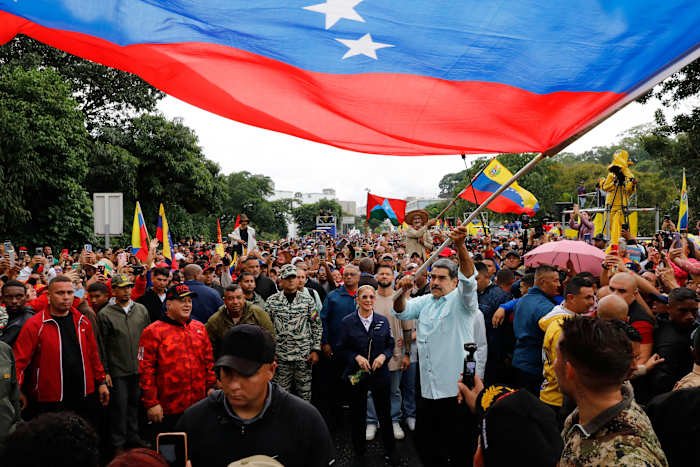
Nicolás Maduro’s rise from humble bus driver to the presidency of Venezuela is a story that has fascinated the world. Yet, despite his dramatic ascent, Maduro has always seemed to operate in the shadow of his charismatic predecessor, Hugo Chávez. Over recent years, especially with mounting pressure from the United States, Maduro’s grip on power has faltered. With Orlando’s vibrant Venezuelan community watching events unfold closely, the political drama in Caracas reverberates right here in Central Florida. In this article, we delve into Maduro’s complicated legacy, the key moments of U.S. intervention, and what it all means for Orlando residents with ties to Venezuela.
Maduro’s Early Days: A Leader Born in Chávez’s Shadow
Nicolás Maduro’s political journey began on the streets of Caracas, not as a career politician, but as a bus driver and union organizer. He quickly rose through the ranks of the United Socialist Party, catching the eye of Hugo Chávez. When Chávez named Maduro his successor before succumbing to cancer in 2013, many saw it as an endorsement—yet also a challenge. Maduro inherited not just the office of president, but the expectations and legacy of a leader beloved by many for his populist and socialist policies.
From the start, Maduro struggled to step out from under Chávez’s looming influence. Every decision he made was compared to his predecessor’s bold moves. Critics argued that Maduro lacked Chávez’s charisma and political instinct, making it difficult for him to rally the nation during times of crisis. His early years as president were marked by efforts to maintain the “Bolivarian Revolution,” even as Venezuela’s economy began its steep decline.
The Economic Collapse and Political Unrest
Under Maduro, Venezuela’s economy faced hyperinflation, widespread shortages, and mass migration. Millions of Venezuelans fled the country, seeking refuge in the United States and countries across Latin America. Orlando, home to one of Florida’s largest Venezuelan communities, has seen a surge in new arrivals, many of whom are family members of those impacted by the crisis back home.
The economic turmoil under Maduro’s presidency not only deepened the humanitarian crisis but also fueled political unrest. Protests erupted regularly in Caracas and other cities, often met with heavy-handed responses from security forces. International observers, including organizations based in Florida, monitored the situation closely, urging the Venezuelan government to respect human rights and democratic principles. The turmoil created deep divisions within Venezuela, but it also affected families and communities in Orlando who anxiously awaited news from relatives and friends.
The U.S. Role: Pressure Mounts under Trump
As Venezuela’s crisis worsened, the United States took a more aggressive stance. The Trump administration imposed a series of sanctions aimed at isolating Maduro’s government, freezing assets, and restricting access to international markets. With the backing of allies in Latin America and Europe, the U.S. recognized opposition leader Juan Guaidó as Venezuela’s interim president in 2019, further undermining Maduro’s legitimacy on the international stage.
For Orlando’s Venezuelan diaspora, the U.S. response was a double-edged sword. While some welcomed Washington’s support for democratic reforms and the opposition, others worried about the impact of sanctions on ordinary Venezuelans. Local advocacy groups, including those based in Orlando, organized rallies, petition drives, and informational forums to raise awareness of the crisis and push for humanitarian aid.
Aftermath: The Implications for Orlando’s Venezuelan Community
The fall of Maduro’s international standing, largely due to U.S. pressure, has had lasting impacts both in Venezuela and abroad. In Orlando, the crisis has galvanized the city’s Venezuelan community, inspiring activism and support networks for recent arrivals. Venezuelan-owned businesses have become more visible, cultural events have drawn larger crowds, and local leaders have called for policies to help those fleeing political persecution.
The ongoing situation in Venezuela remains a topic of conversation for many Orlando residents, affecting everything from local elections to community services. Churches, nonprofits, and city officials have stepped up to provide legal, financial, and emotional support to displaced families. For many in Orlando, the story of Maduro’s tumultuous presidency is not just a distant headline—it’s a personal reality, shaping daily life and future plans.
Conclusion
Nicolás Maduro’s journey from bus driver to president has been marked by challenges, controversy, and ultimately, a struggle to escape the shadow of Hugo Chávez. The intense pressure from the United States, especially during the Trump administration, has reshaped Venezuela’s political landscape—and by extension, has left a profound mark on the Orlando community. As the story continues to unfold, we invite our readers to share their thoughts and experiences. How has the situation in Venezuela affected you or your loved ones in Orlando? Leave a comment below and join the conversation.