Introduction
While the Winter Olympics may feel a world away from the sunny streets of Orlando, there’s a fascinating connection that links this Floridian city with the icy sport of curling. The stones used in Olympic curling matches are crafted from an extraordinary type of granite that comes from a remote, uninhabited Scottish island called Ailsa Craig. This little-known fact gives Orlando residents a unique perspective next time they catch a curling match on TV — or even try the sport themselves at a local ice rink. Let’s take a closer look at this remarkable island, the rare granite it provides, and the surprising ties to our own Orlando community.
Ailsa Craig: The Island Shaping Olympic Dreams
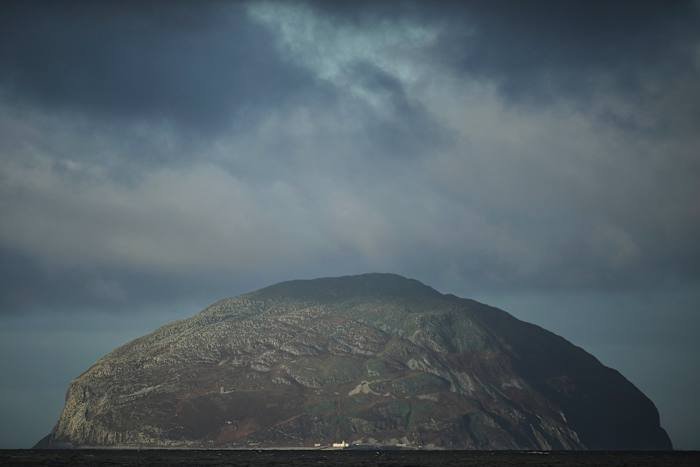
Located about ten miles off the southwestern coast of Scotland, Ailsa Craig rises out of the sea like a giant, weathered dome. Though just over 1,100 feet tall and measuring about two miles in circumference, this island has played an outsized role in international sports. Uninhabited for nearly a century, Ailsa Craig’s isolation has preserved its natural resources — especially its world-famous granite.
This granite isn’t just any rock. It’s incredibly hard, dense, and free from impurities, making it ideal for withstanding the rigors of curling. The island’s unique geology formed two types of granite: Blue Hone and Ailsa Craig Common Green. Both are prized for their durability and ability to resist water absorption, which is crucial for the precision and longevity required in curling stones.
From Scottish Shores to Olympic Ice
The journey from Ailsa Craig’s rocky slopes to Olympic ice rinks is both fascinating and highly specialized. Only a few companies in the world are licensed to quarry the granite, and even fewer have the skill to transform it into perfectly balanced curling stones. The best-known manufacturer, Kays of Scotland, has exclusive rights to harvest and shape Ailsa Craig granite into stones that meet the strict standards of the World Curling Federation.
Each curling stone weighs about 44 pounds and is carefully crafted to maintain consistency in weight and balance. The granite’s density ensures that the stone glides smoothly across the ice and can withstand repeated impacts without chipping or cracking. No wonder every stone used in Olympic competition is made from this precious material, linking curling teams from all over the world — including the United States — to the remote Scottish isle.
Orlando’s Surprising Curling Connection
You might be wondering what all this has to do with Orlando. While our city is best known for its warm weather and world-class theme parks, Orlando’s growing interest in winter sports — including curling — is bringing this Scottish granite closer to home. Several local ice rinks and clubs, such as the Orlando Curling Club, offer residents the chance to try their hand at this unique winter sport.
When Orlando residents slide a curling stone across the ice during a friendly match or a local tournament, they’re experiencing firsthand the craftsmanship and history embedded in each stone. The connection between Ailsa Craig and Orlando is a testament to how global traditions and local passions intersect, enriching our community’s cultural landscape.
The Future of Curling Stones and Environmental Concerns
With Ailsa Craig’s granite in finite supply, there are growing concerns about preserving both the island’s ecosystem and the tradition of crafting curling stones from its unique stone. Quarrying on the island is carefully regulated, with strict environmental controls in place to minimize impact. Manufacturers typically harvest granite only once every few decades, ensuring that resources are not depleted and that the island’s birdlife and natural beauty remain undisturbed.
For Orlando’s curling enthusiasts, this means the stones they use are not only rare but also part of a sustainable tradition that values both sport and the environment. As curling’s popularity continues to rise in Central Florida, it’s likely that the demand for authentic Ailsa Craig granite stones will grow — making every game a celebration of international cooperation and environmental stewardship.
Conclusion
From a lonely Scottish isle to the bustling ice rinks of Orlando, the story of Ailsa Craig granite is a striking example of how local communities are connected to global traditions. Next time you watch the Winter Olympics or pick up a curling stone in Orlando, remember the journey that stone has made — and the enduring legacy of the island that shaped it. Have you ever tried curling in Orlando, or are you curious to learn more about this unique sport? Share your experiences and thoughts in the comments below!