In a move designed to safeguard players' health and performance, FIFA has announced that every match at the 2026 World Cup will now include scheduled three-minute hydration breaks in both halves. Previously, these breaks were only mandated in games played under extreme heat. The new policy will impact all matches, regardless of weather conditions, and has noteworthy implications—especially for soccer fans and aspiring athletes in hot-weather cities like Orlando.
Why FIFA Is Making Hydration Breaks Mandatory
FIFA's decision to expand hydration breaks to every World Cup match came after consultations with medical experts and team representatives. While the original intent was to protect players from heat exhaustion and dehydration during sweltering games, research has shown that even in milder climates, athletes can become dehydrated, leading to reduced concentration, slower reaction times, and an increased risk of injury.
With the 2026 World Cup being hosted across the United States, Mexico, and Canada—including several cities known for their hot and humid summers—FIFA is prioritizing player safety and optimal performance. The Orlando area, which frequently hosts major soccer events and serves as a training ground for both U.S. and international teams, is no stranger to concerns about heat and hydration. This policy reflects a broader trend of sports organizations taking proactive steps to manage athlete well-being in all conditions.
How the Hydration Breaks Will Work
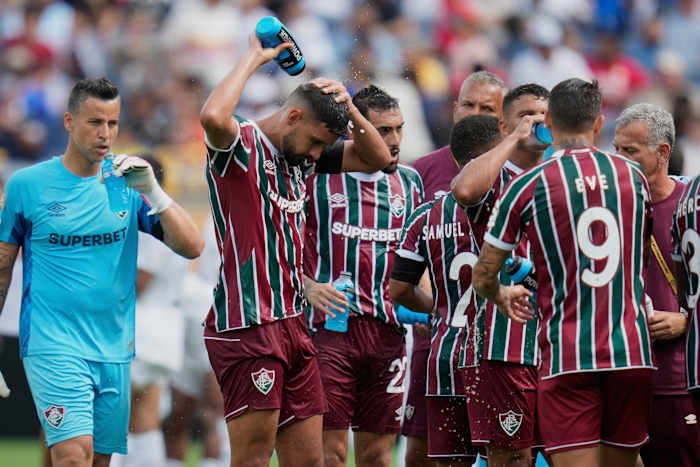
According to FIFA, each half of every World Cup game will now include one three-minute hydration break. Referees will pause play around the 30-minute mark in each half, giving players a chance to rehydrate, cool down, and receive tactical instructions from their coaches.
These breaks will be in addition to any stoppages for injuries or video reviews. The game clock will continue to run during hydration breaks, but the lost time will be factored into stoppage time at the end of each half. For local Orlando athletes and coaches, this change could serve as a valuable model, encouraging youth leagues and school competitions to adopt similar measures for player welfare.
What This Means for Fans and the Game Experience
For fans watching from Orlando and around the world, hydration breaks will bring a subtle but important shift in the rhythm of World Cup matches. While some purists may worry about interruptions to the game's flow, many agree that player health must come first. These short pauses also offer broadcasters an opportunity for analysis, advertisements, or even quick updates from the sidelines.
Orlando's vibrant soccer community—which includes Orlando City SC, the Orlando Pride, and dozens of youth clubs—may see increased attention to hydration strategies at all levels. Local sports medicine experts and coaches often emphasize the importance of regular water breaks during Central Florida's hot summers, and FIFA's global policy could help reinforce those best practices.
Impact on Orlando and Local Soccer Culture
The Orlando area has long been a hub for major soccer events, from international friendlies to MLS matches and youth tournaments. With the 2026 World Cup partly hosted in the United States, excitement is building in the region, which could be selected for training camps or pre-tournament matches.
FIFA's hydration policy sets a clear example for how local leagues and organizations might prioritize player safety, not just in the summer months but year-round. Orlando's unique climate—marked by high humidity and afternoon thunderstorms—makes hydration a constant concern for athletes. By adopting FIFA's approach, local sports groups can ensure that players stay healthy and perform at their best, regardless of the weather.
Looking Ahead: Could Other Sports Follow?
FIFA's decision may have ripple effects beyond soccer. Other sports organizations, especially those with a strong presence in Orlando such as youth football and lacrosse, might consider implementing scheduled hydration breaks in their own competitions. As more research highlights the benefits of regular hydration, these practices could become standard at all levels of play.
For now, Orlando soccer fans can look forward to a World Cup that prioritizes both the spectacle of the game and the health of its stars, setting an example for athletes and leagues everywhere.
Conclusion: Join the Conversation
FIFA's move to standardize hydration breaks at the World Cup is a significant step for player safety and could have a lasting impact on soccer culture worldwide—including right here in Orlando. What do you think about this new policy? Will it change the way you watch or play soccer? Share your thoughts in the comments below, and let us know how hydration strategies are used in your local teams!