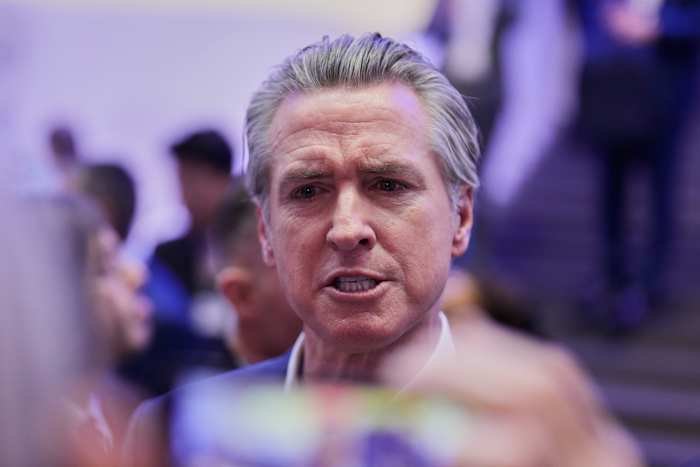
In a dramatic escalation of tensions between Democratic California Governor Gavin Newsom and the Trump administration, a new civil rights controversy has emerged—one that has implications far beyond California and could impact communities right here in Orlando. The conflict centers on a video in which Dr. Oz, now head of the Centers for Medicare and Medicaid Services (CMS), appears to allege that Armenian residents in Los Angeles orchestrated widespread health care fraud. Newsom’s response? A formal civil rights complaint, adding fuel to an already raging political fire.
The Spark: Dr. Oz and the Controversial CMS Video
The feud began when a video surfaced of Dr. Mehmet Oz, the recently appointed CMS administrator under the Trump administration, discussing alleged healthcare fraud in Los Angeles. In the video, Dr. Oz reportedly made statements suggesting that Armenian groups in the area were responsible for orchestrating complex fraud schemes targeting Medicare and Medicaid.
Governor Newsom, representing one of the most diverse states in the nation, took issue with the statements, arguing they perpetuated harmful stereotypes and amounted to “racial scapegoating.” He quickly filed a civil rights complaint with the Department of Health and Human Services (HHS), demanding an investigation into both the remarks and any potential discriminatory practices within CMS oversight.
While the video’s focal point is Los Angeles, the implications resonate nationwide—including in Orlando, which is home to a vibrant Armenian American and immigrant community. Local leaders have expressed concern that such rhetoric could foster mistrust of healthcare providers and create a chilling effect on legitimate medical practices serving minority populations.
Political Context: Newsom vs. Trump’s Administration
This latest dispute is just one chapter in an ongoing saga between Governor Newsom and former President Donald Trump’s administration. Issues ranging from wildfire management to pandemic policy have put the two leaders at odds for years. Now, with Dr. Oz stepping into a key health policy role, this feud has taken on a new dimension.
For Orlando residents, the stakes are clear: how federal health agencies are led—and the tone they set—can have a direct impact on local healthcare access and funding. Newsom’s complaint could prompt broader scrutiny of CMS policies and practices, which could in turn affect how Orlando’s hospitals, clinics, and doctors interact with Medicare and Medicaid patients.
Local health experts warn that even the perception of bias or discrimination at the federal level can discourage vulnerable populations in Orlando from seeking necessary care, fearing they could become the next target of suspicion or investigation.
Impact on Orlando’s Healthcare Providers and Communities
Orlando boasts a diverse population and a highly active healthcare sector. Hospitals such as Orlando Health and AdventHealth rely on federal programs like Medicare and Medicaid to serve thousands of patients every year. Any suggestion of systemic discrimination, or even the perception of unfair scrutiny based on ethnicity, can undermine trust between patients and providers.
Dr. Oz’s comments, and the subsequent civil rights complaint, have raised important questions for Orlando’s healthcare community. Will CMS implement new oversight measures that could disproportionately target minority doctors or patients? Will local Armenian Americans or other ethnic groups face added scrutiny when accessing medical services?
Community advocates in Orlando are calling for transparency and reassurance from both federal and state agencies. The local chapter of the Armenian National Committee of America (ANCA) and other advocacy groups have issued statements condemning the alleged scapegoating and urging local officials to ensure Orlando remains a welcoming place for all residents, regardless of background.
Broader Implications: Civil Rights and Healthcare Equity
At its core, Newsom’s complaint and the ensuing debate highlight a much larger issue: the intersection of civil rights and healthcare equity. Federal agencies like CMS wield enormous influence over how medical care is delivered and funded across the country—including here in Orlando.
If the complaint moves forward, it could lead to new guidelines for how federal agencies communicate about fraud prevention, ensuring they avoid language that could be construed as racially or ethnically targeted. Such changes would be especially relevant in diverse cities like Orlando, where safeguarding civil rights is essential to maintaining public trust in the healthcare system.
Local leaders, including Orlando City Commissioner Patty Sheehan, have emphasized the importance of protecting civil rights in all facets of public life. “We need to ensure that our community feels safe and respected when seeking medical care,” Sheehan told Daily Orlando News. “Statements that single out any group are not just unfair—they’re dangerous.”
What Comes Next?
With Newsom’s civil rights complaint now on the record, all eyes are on the Department of Health and Human Services to see how they respond. Will there be an investigation into Dr. Oz’s remarks? Could there be changes to CMS policy or leadership?
Orlando’s stakeholders—healthcare providers, patients, and advocacy groups—will be watching closely. The outcome could set important precedents for how federal agencies interact with minority communities and address allegations of fraud without resorting to stereotyping or discrimination.
Conclusion: Your Voice Matters in Orlando
This developing story underscores why local awareness and engagement are so important. The decisions made in Washington, D.C., and Sacramento can have real, lasting effects here in Orlando—especially when it comes to civil rights and access to quality healthcare.
What do you think about the ongoing feud between Governor Newsom and the Trump administration? Are you concerned about the potential impact on Orlando’s healthcare community? We invite you to share your thoughts and experiences in the comments below.