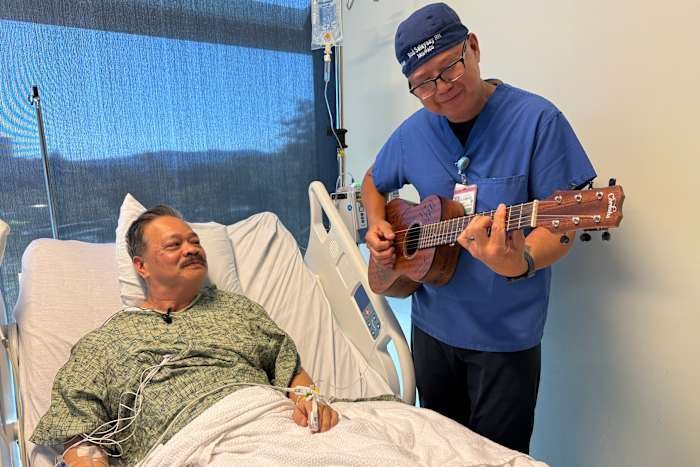
Music could be the next frontier in pain management, and hospitals across the country—including right here in Orlando—are taking note. As the healing power of melodies moves from soothing background noise to a featured role in patient care, scientists are tuning in to the real, measurable benefits music offers to those recovering from surgery or fighting illness. From the halls of Florida Hospital Orlando to local clinics, the gentle strum of a guitar or the calming hum of a singer’s voice is proving to be more than just a comfort—it’s becoming a legitimate part of the healing process.
The Science Behind Music and Pain Relief
For decades, researchers have studied how music impacts the human brain. Recent findings suggest that listening to music isn’t just pleasant—it can actually alter the way we perceive pain. When we listen to music, our brains release dopamine, a chemical closely tied to feelings of pleasure and well-being. This dopamine release can distract us from discomfort, reduce anxiety, and even lower our perception of pain.
In clinical trials, patients exposed to music therapy before, during, or after surgery have reported lower pain scores compared to those who didn’t listen to music. Some scientists believe that music may also decrease the need for pain medications, which could help patients avoid the side effects and risks associated with opioids and other drugs. This is especially important in the context of the ongoing opioid crisis affecting communities across the country, including Central Florida.
How Orlando Hospitals Are Using Music to Help Patients
Several Orlando-area hospitals and clinics are starting to embrace music as a form of therapy. At AdventHealth Orlando, for instance, certified music therapists work directly with patients recovering from surgery or facing long-term illnesses. These therapists don’t just play music— they tailor sessions to each patient’s unique needs, sometimes involving the patient in singing, playing instruments, or simply listening to their favorite tunes.
Arnold Palmer Hospital for Children has also seen success with music therapy, especially with young patients who may struggle to communicate their pain. By using familiar songs, therapists can help children relax, express emotions, and even improve their recovery times. Meanwhile, local nonprofits and volunteer musicians are stepping up to bring live performances to waiting rooms and patient bedsides, turning sterile hospital environments into spaces of comfort and hope.
Real Stories: The Healing Power of Music in Orlando
Take the story of Maria, a Lake Nona resident who recently underwent knee surgery at an Orlando hospital. Anxious about her post-surgery pain, Maria was invited to participate in a music therapy session. “I was skeptical at first,” she admits, “but as soon as the therapist started playing, I felt myself relaxing. The pain didn’t go away completely, but it felt more manageable, and I didn’t need as much medication.”
Stories like Maria’s are becoming increasingly common in Central Florida. Some patients find that live music performances lift their spirits during lengthy hospital stays, while others discover that creating music—whether singing or simply tapping along—gives them a sense of control over their healing process. For many, music becomes a vital companion on the road to recovery.
Why Music Therapy Matters in Our Community
Orlando is known for its vibrant arts scene, with a wealth of talented musicians and performers ready to share their gifts. By integrating music into healthcare settings, our community is leveraging a valuable local resource to improve patient outcomes. Not only does music therapy provide comfort, but it also offers a non-invasive, low-cost addition to traditional pain management strategies.
Moreover, music therapy can be especially beneficial for patients who might not respond well to medication or who are looking for holistic approaches to healing. As Orlando’s population grows and diversifies, personalized care—including culturally relevant music choices—can help bridge gaps in communication and make healthcare more accessible and compassionate.
Looking Ahead: The Future of Music in Orlando’s Healthcare
The next step for Orlando’s medical community is to expand access to music therapy services. This means training more certified therapists, inviting local musicians into hospital settings, and continuing to study how music can be most effectively used to ease pain and support healing. As awareness grows, insurance coverage and funding for music therapy programs may also expand, making these services available to even more patients across the Greater Orlando area.
In the meantime, patients and families can ask their healthcare providers about music therapy options and explore ways to integrate music into their own healing journeys. Whether it’s through live performances, curated playlists, or participatory music-making, the sound of healing is echoing through Orlando’s hospitals and clinics.
Conclusion: Share Your Experience
Have you or a loved one experienced the benefits of music therapy in Orlando? Do you think more hospitals should invite musicians to help patients manage pain? We’d love to hear your thoughts and stories! Share your comments below and join the conversation about how music is changing the face of healthcare in our city.